
How gas prices and tourism shape Hawai’i’s industrial market
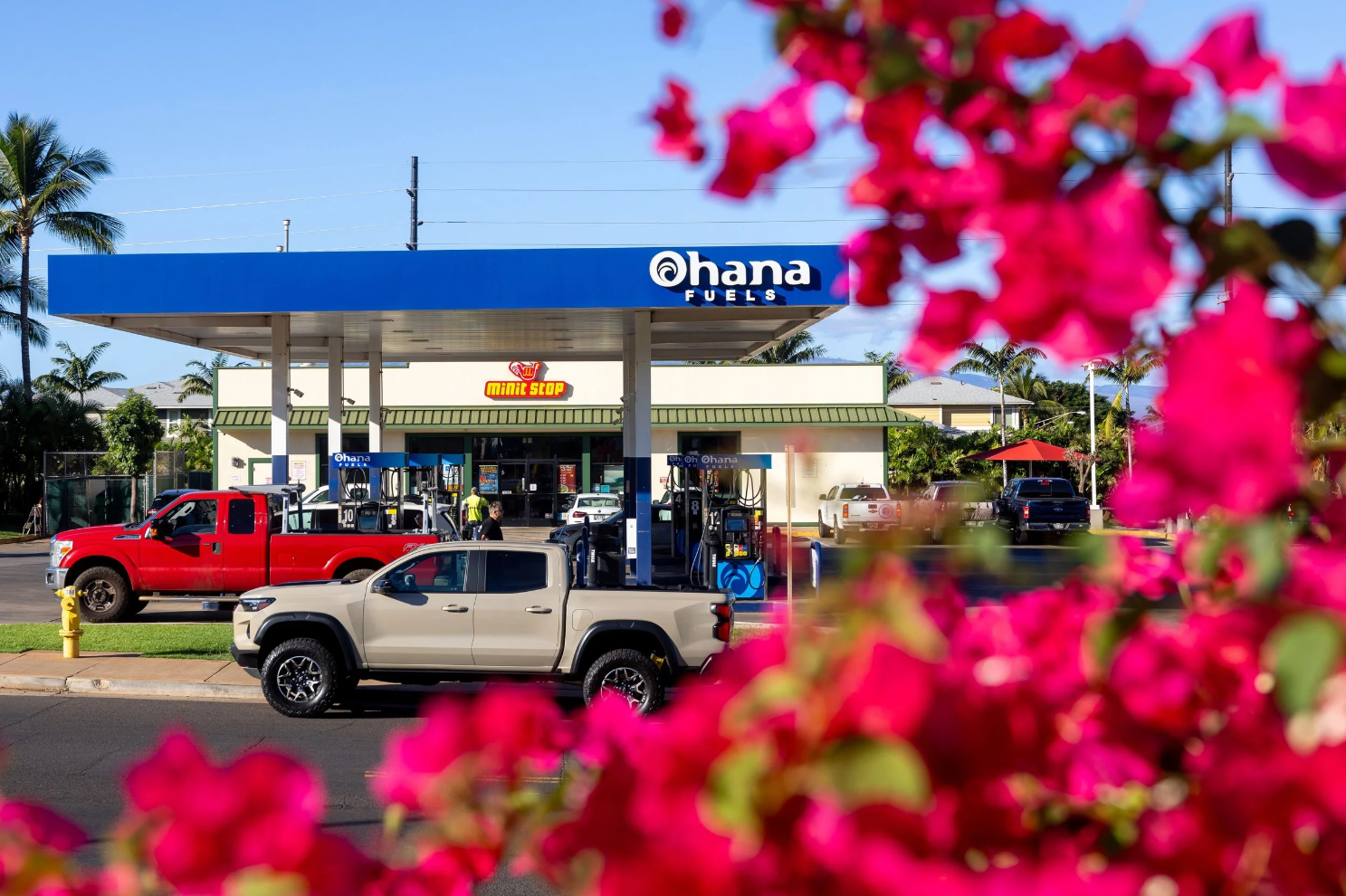
In most markets, gas prices are just another economic variable. In Hawai’i, they ripple through everything.
From airline ticket pricing to restaurant demand to the cost of moving goods across the islands, fluctuations in fuel costs have an outsized impact — and the effects show up quickly in the industrial market.
“It affects everybody,” said Alika Cosner, Senior Vice President at Colliers. “But for us in Hawai’i, it really starts with tourism.”

It starts with the plane ticket
Hawai’i is uniquely dependent on inbound travel. When oil prices rise, airlines adjust. Ticket prices go up. And when travel becomes more expensive, fewer visitors come.
That matters because tourism is the state’s primary economic engine.
“If flying becomes expensive, that affects tourism,” Cosner said. “Tourism is our number one industry. We get hit hard.”
A slowdown in tourism doesn’t just impact hotels. It works its way through the entire local economy — and eventually into industrial demand.
Fewer visitors means less spending. Less spending means lower demand for goods and services. And that, in turn, affects the businesses that rely on industrial space to store, move, and distribute those goods.
Demand for goods follows tourism
The first place this shows up is in supply chains tied to hospitality and food service.
Restaurants, hotels, and retailers adjust quickly to changes in demand. When fewer tourists are coming through, there’s less need for deliveries. Less product moves through the system.
“We see it with produce suppliers,” Cosner said. “There’s not as much food getting out the door.”
That reduction in movement affects warehouse users, distributors, and logistics operators — many of whom rely on consistent, high-volume turnover to justify their space needs.
Transportation services are impacted as well. Tour buses, logistics providers, and delivery networks all feel the slowdown. And because many of these businesses operate out of industrial facilities, the effect shows up in leasing activity and space utilization.
Rising fuel costs increase operating pressure
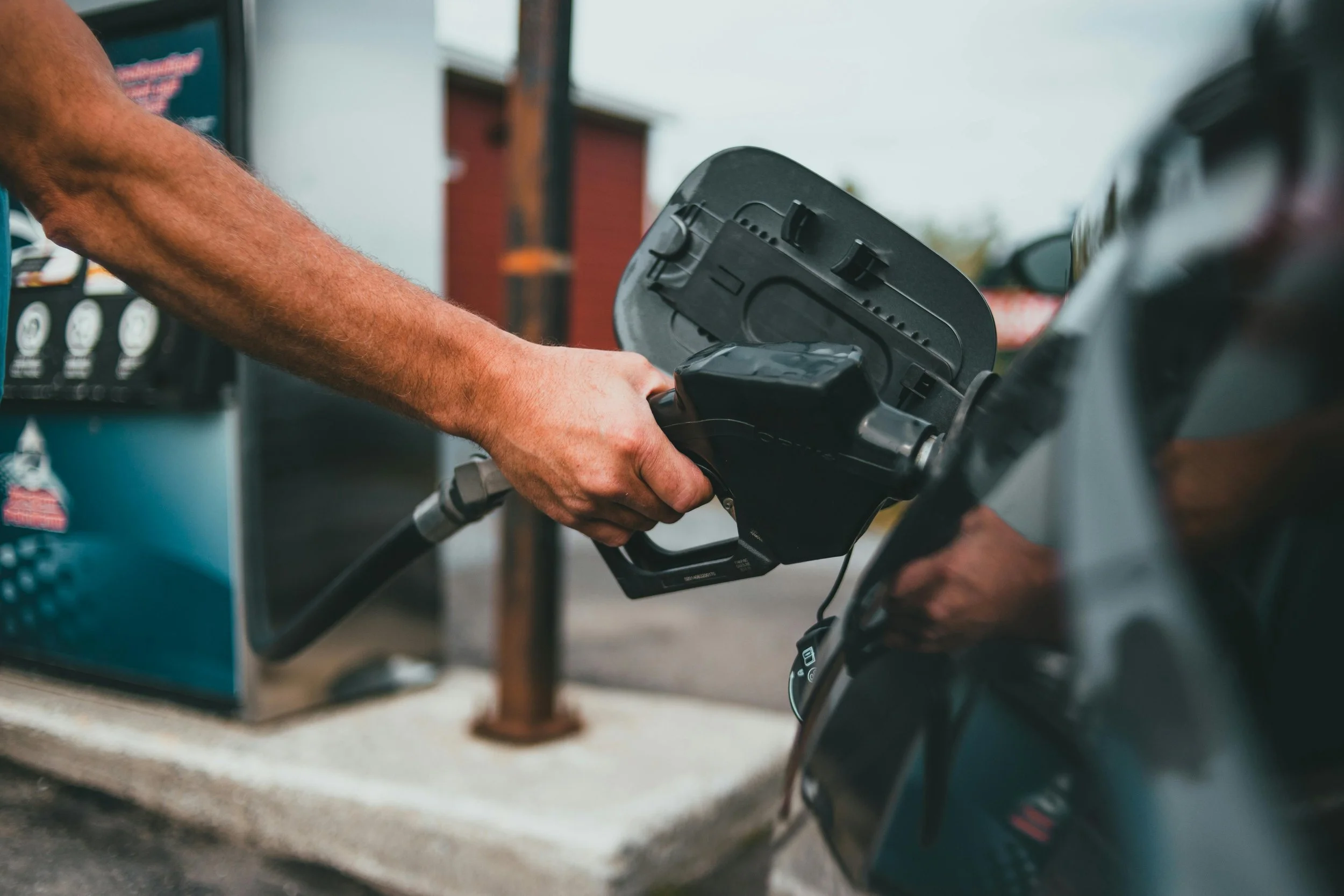
At the same time, higher gas prices don’t just reduce demand — they increase costs.
Hawai’i is entirely dependent on imported goods. Nearly everything must be shipped or flown in. When fuel costs rise, the cost of transporting those goods increases immediately.
“We’re already dealing with inflationary prices,” Cosner said. “Now you tack on increased transportation costs, and that affects the cost of goods.”
For industrial users, that pressure shows up in multiple ways.
First, shipping becomes more expensive. Whether goods are coming in via container ships or being distributed locally via truck, fuel costs directly impact operating expenses.
Second, many industrial products are tied to oil derivatives. Plastics, certain metals, packaging materials, and other components all become more expensive when oil prices rise.
“All of the materials we use in industrial — they’re derivatives of oil in some way,” Cosner said. “So the cost of that goes up too.”
That creates a compounding effect: higher inbound costs, higher distribution costs, and tighter margins for businesses occupying industrial space.
Supply chain disruptions add another layer
Beyond cost, availability can also become an issue.
When fuel prices spike or global conditions shift, supply chains can tighten. Certain goods may become harder to source or take longer to arrive. That creates delays and uncertainty for businesses that rely on consistent inventory flow.
In response, companies may change behavior. They might overstock to hedge against future disruptions, requiring more space. Or they might scale back operations and reduce inventory levels, requiring less.
“Like Covid, people start overstocking,” Cosner said. “If you can’t get a product, there are delays, pricing increases — it affects everybody.”
These shifts can create volatility in the industrial market, even if they are driven by factors outside of real estate.
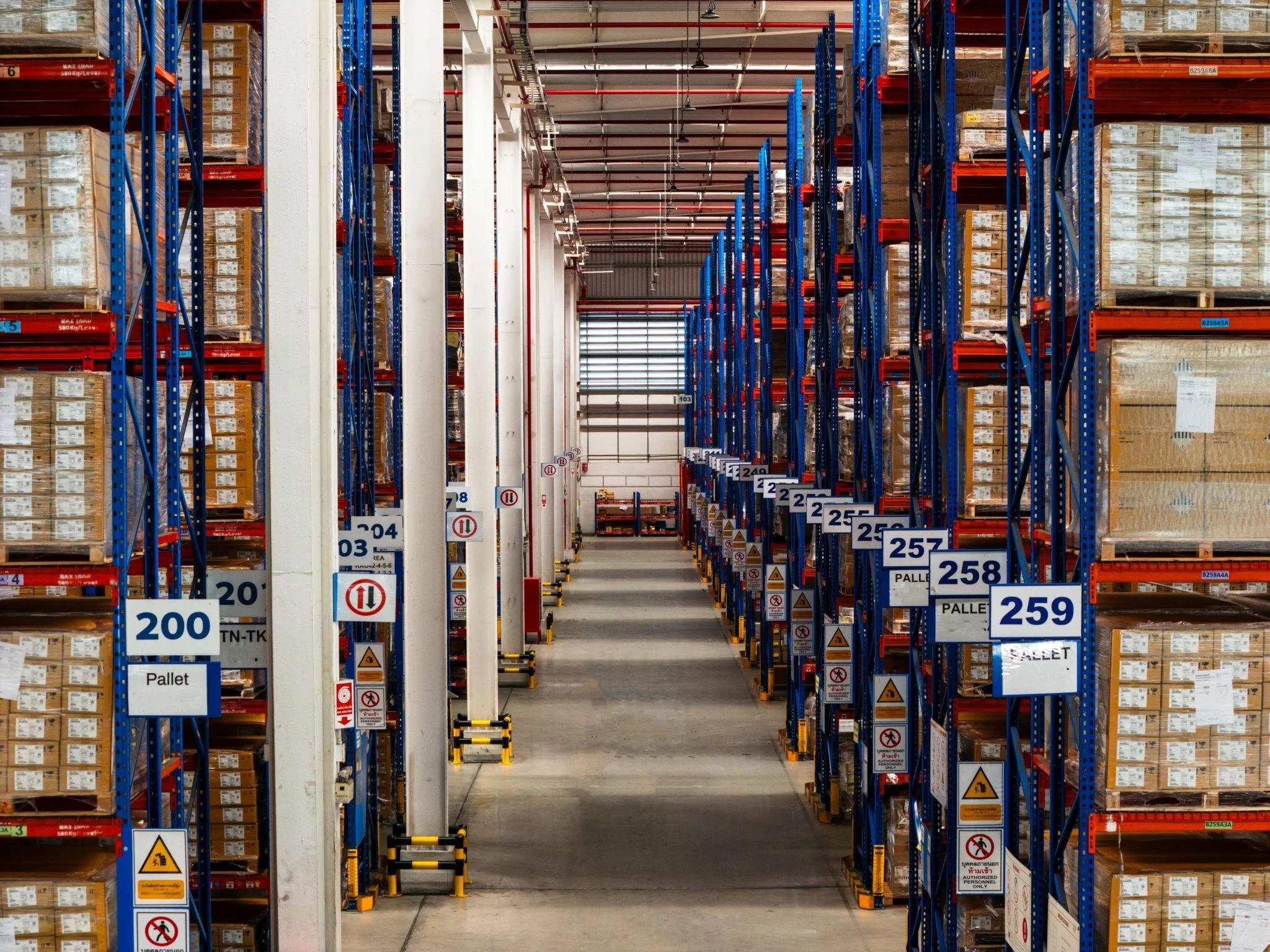
Why it matters for decision-making
For owners, investors, and tenants, the takeaway is straightforward: macro factors matter more in Hawai’i than in most markets.
A change in gas prices is not just a cost issue; it’s a demand issue, a supply chain issue, and an operating cost issue all at once. That means decisions around leasing, expansion, and investment should account for more than just current market conditions.
Owners may need to think about tenant resilience: how well their tenants can absorb cost increases or demand fluctuations.
Tenants may need to think about efficiency: how to manage space, logistics, and inventory in a higher-cost environment.
Investors may need to think about risk: how exposed an asset is to tourism-driven demand and fuel-related cost pressures.
A market shaped by interconnected forces
Hawai’i’s industrial market does not operate in isolation. It is directly tied to tourism, global energy markets, and supply chain dynamics. When one shifts, the others follow.
That interconnectedness can create challenges — but it also creates opportunities for those who understand it.
The key is not just watching the real estate market. It’s watching the forces that drive it. Because in Hawai’i, a change at the gas pump can quickly show up at the warehouse door.
