
What sophisticated owners should expect from their landlord representative
If you ask most landlords what they expect from a leasing broker, the answers are usually similar:
Market the property.
Find tenants.
Conduct tours.
Negotiate the lease.
Get the vacancy filled.
Those responsibilities are certainly part of the job — but they're only the visible part.
The biggest difference between an average landlord representative and a high-performing one isn't the list of services they provide. It's how they approach every decision before, during, and after the lease.
The best landlord representatives don't simply lease vacant space. They help owners make better long-term decisions about their assets. Here are a few of the characteristics that often separate the two.
Start with strategy — not marketing
One of the biggest mistakes many brokers make happens before the property is ever listed. A vacancy occurs, photos are taken, a brochure is created, and the marketing campaign begins. But a sophisticated leasing strategy starts with a different conversation: What is the owner's objective?
Are they trying to maximize long-term asset value?
Preparing to refinance?
Planning to sell within two years?
Trying to stabilize occupancy as quickly as possible?
Those answers change everything. A landlord seeking the strongest possible credit tenant may make different decisions than an owner who simply wants to eliminate vacancy quickly. Without understanding those broader objectives, it's impossible to develop the right leasing strategy.
Marketing should be built around the owner’s goals—not the other way around.
Identify problems before the market does
High-performing landlord representatives spend time evaluating the property before a single brochure is created. They walk the space with fresh eyes.
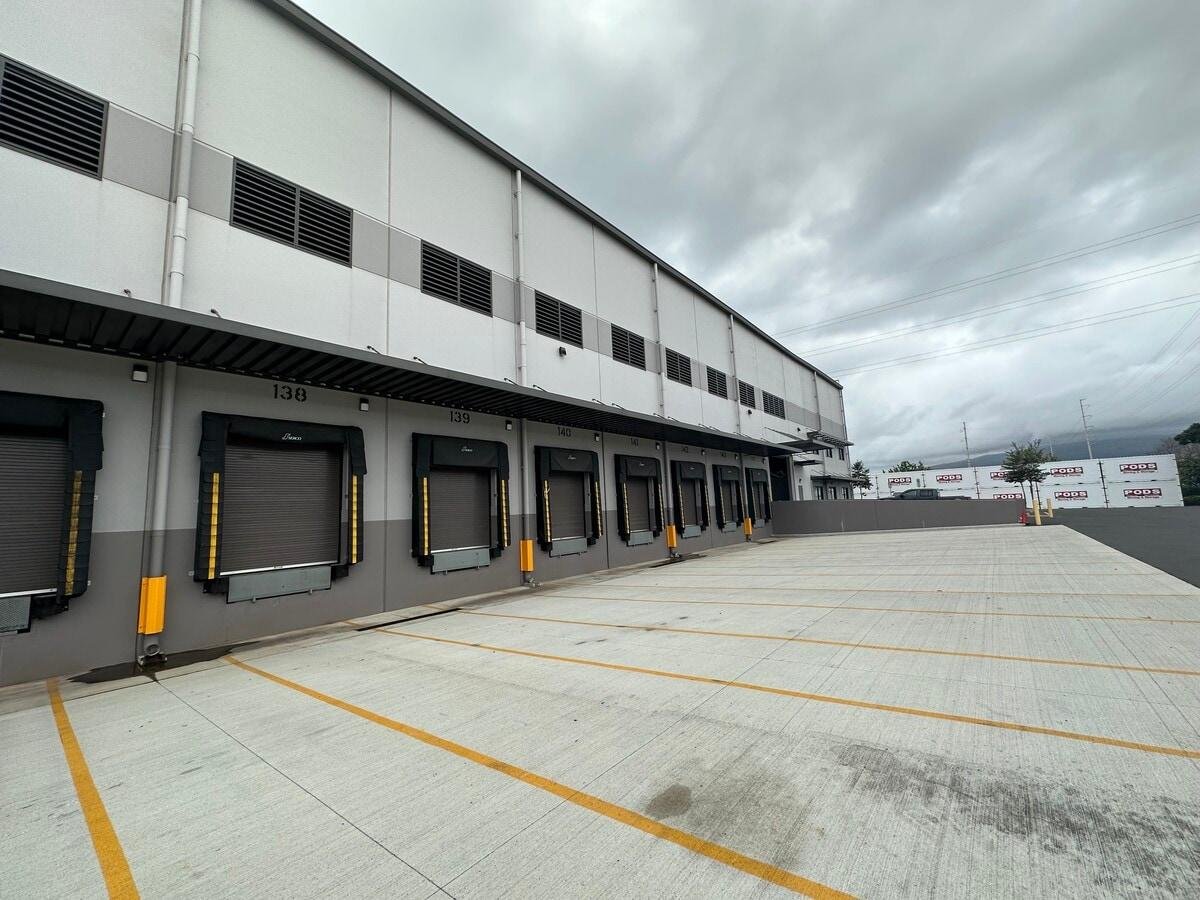
Is the signage creating a poor first impression?
Are lights burned out?
Does the landscaping appeal to tenants and their customers?
Does the building’s condition (such as paint) suggest deferred maintenance?
Is there an operational issue that every prospective tenant is going to notice during a tour?
Many of these issues are inexpensive to correct. But left unresolved, they can create unnecessary objections that weaken negotiating leverage before discussions even begin.
Sometimes the highest return on investment isn’t a major renovation. It’s fixing the small details that influence first impressions.
Understand the story behind the market data
Every broker has access to comparable lease transactions. The best brokers understand why those transactions happened.
A comparable rental rate may have included months of free rent, significant tenant improvements, unusually favorable lease terms, or a tenant with exceptional credit. Without understanding those underlying details, published market data can easily lead owners toward unrealistic pricing expectations.
Market intelligence isn’t simply collecting data. It’s understanding the context behind the numbers. That depth of knowledge typically comes from transaction volume, recent market activity, and constant conversations with owners, tenants, attorneys, contractors, and other brokers.
Position properties — don’t just list them

Many industrial marketing brochures look remarkably similar.
"20,000-square-foot warehouse."
"Available immediately."
"Excellent location."
But industrial buildings aren't interchangeable. One property may be ideal for manufacturing because of its electrical capacity. Another may be better suited for logistics because of truck circulation. Another may appeal to food distributors because of refrigeration infrastructure.
Strong positioning answers two questions:
Why is this property unique?
Who is the ideal tenant?
When those questions are answered clearly, marketing becomes significantly more targeted — and more effective.
Think beyond the current vacancy
Leasing a vacant suite is important. But sophisticated owners rarely think about one space in isolation. They think about the entire asset … or sometimes, an entire portfolio.
Should this tenant be renewed?
Would a different tenant improve the long-term mix?
Is there an opportunity to reposition the building over the next five years?
Will today's lease support tomorrow's refinancing?
Those questions require a much broader perspective than simply getting the next deal signed.
One of the most valuable exercises we've used with institutional owners involved creating a tenant evaluation matrix across an entire portfolio. By evaluating every tenant against consistent criteria — including industry, credit quality, rental rate, lease structure, and strategic fit — we were able to quickly identify which tenants should be retained, renegotiated, or replaced.
The result wasn't simply better leasing decisions. It was a clearer roadmap for protecting long-term asset value.
Keep momentum throughout the transaction

Many owners assume the hard work ends once a Letter of Intent is signed. In reality, that's often where the real work begins.
Attorneys begin revising documents. Construction questions emerge. Tenant improvement pricing changes. Unexpected issues surface. One delayed response can cause negotiations to stall.
Good landlord representatives don't simply forward emails between parties.
They make recommendations.
They prioritize decisions.
They anticipate roadblocks before they become deal killers.
Most importantly, they keep momentum moving forward.
Deals rarely fall apart because of one catastrophic event. More often, they slowly lose energy until one side walks away.
Build relationships long before they’re needed
Hawaii's industrial market is built on long-term relationships. The brokerage community is relatively small. Owners know one another. Tenants know one another. Brokers regularly work together on transactions.
Reputation, trust, and integrity matter.
The strongest brokers invest years building credibility — not only with landlords, but with tenants, contractors, attorneys, property managers, and competing brokers. Third-party vendors are also an essential part of transactions, whether improving the property prior to sale or producing a reliable estimate for tenant improvements.
Those relationships make negotiations smoother, solve problems faster, and often create opportunities that never appear on public listing services.
Operate like partners in the landlord’s business
Perhaps the biggest difference is philosophical. Average brokers tend to focus on the assignment. Exceptional brokers focus on the owner's business.
That means asking difficult questions. Sharing honest recommendations. Providing context instead of simply forwarding information. Helping owners make decisions — not just documenting them.
It also means recognizing that every recommendation should support both the immediate transaction and the property's long-term performance.
The bottom line
Most brokers can lease a building. The best landlord representatives help owners make better real estate decisions: by combining market intelligence, structured processes, strategic thinking, transaction experience, and long-term relationships to create value well beyond a single lease.
If you're evaluating brokerage representation, don't simply ask how a property will be marketed. Ask how your broker thinks. Because in commercial real estate, the quality of the strategy behind the listing often matters far more than the listing itself.
