
2026 will test resilience in a push-pull economy
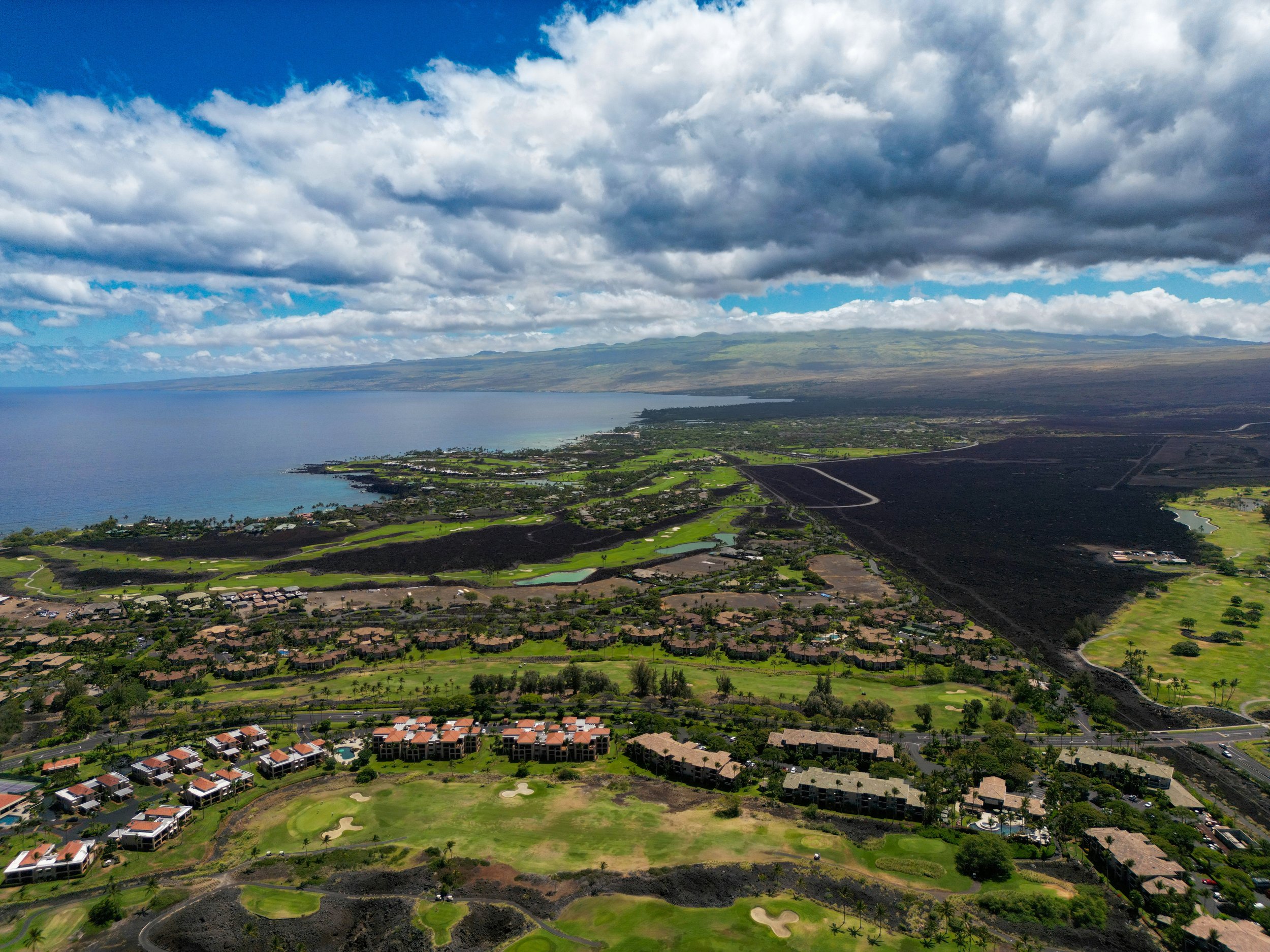
2026 Hawai’i Industrial Market Outlook
Executive summary
Hawai’i’s industrial market entered 2026 with a unique “push-pull” dynamic. Land scarcity continues to limit supply, so while vacancy is up slightly, options remain scarce. Meanwhile, tenant behavior is adjusting in response to economic, policy, and interest rate headwinds.
Pull (Structural constraints): Limited inventory and high barriers to entry maintain landlord pricing power for high-quality, modern assets.
Push (Market headwinds): Slowing economic activity, tariff uncertainty, and elevated interest rates are reshaping tenant strategy toward cost discipline, operational efficiency, and selective growth.
Larger spaces between 20,000 and 40,000 square feet are increasingly available. However, smaller spaces (those under 10,000 square feet) remain highly competitive. Landlords are relying on renewals and concessions rather than major capital improvements to retain tenants.
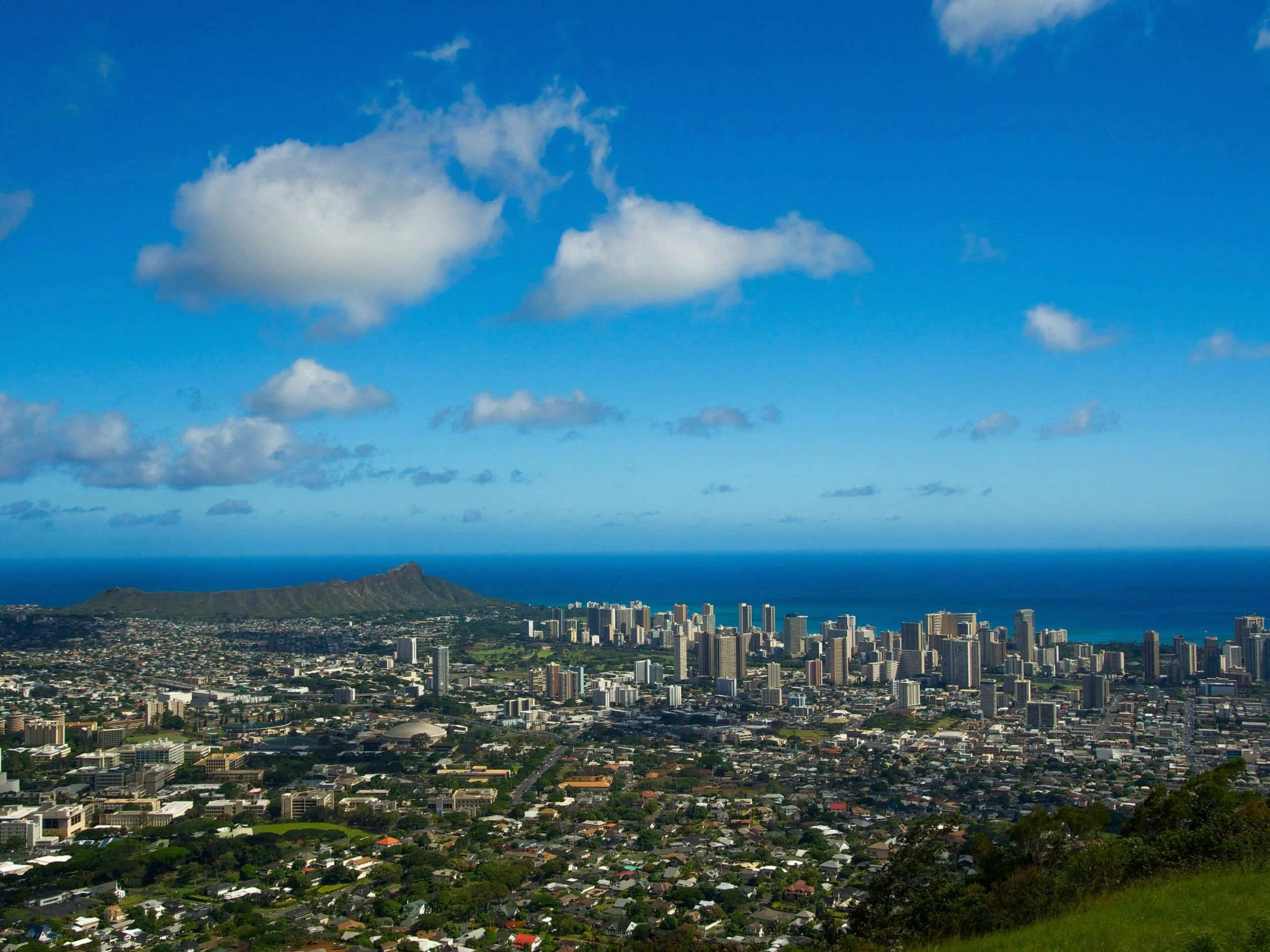
Market baseline: Entering 2026
Vacancy: 1.0%–2.0% forecasted; rose from ~0.9% (YE 2024) to 1.35% (YE 2025).
Pricing: Asking rents remain strong; base rent $1.61 PSF/Mo (+5.2% YoY).
Operating expenses: ~$0.57 PSF/Mo (+11.8% YoY), driven by insurance and utilities.
Absorption: Negative absorption (-95.4k SF in Q4 2025) reflects cooling demand in select sectors.
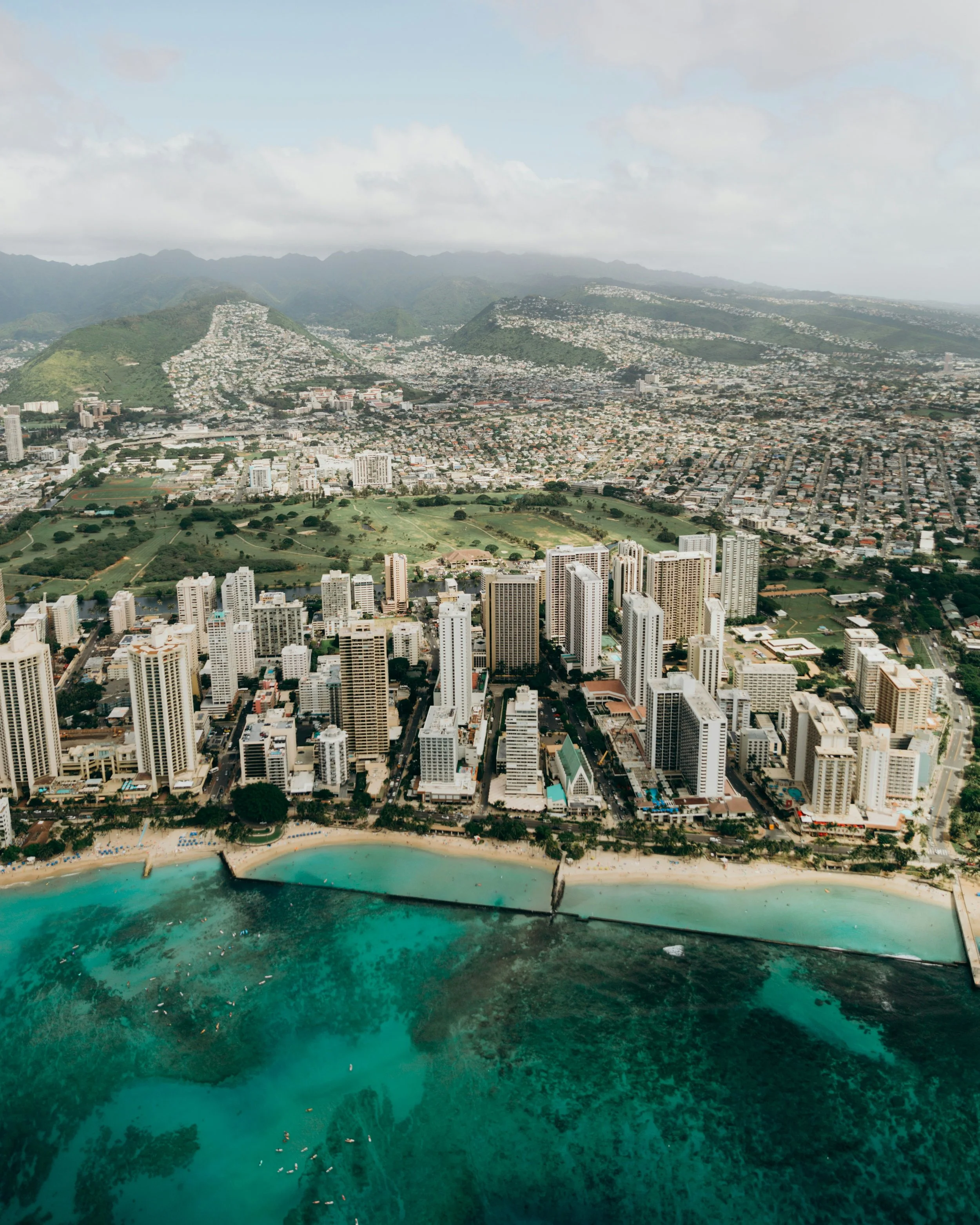
Supply pipeline & key developments
Significant new inventory is expected, especially in West Oahu, although high construction costs ensure new developments must command top rents in order to be feasible:
| Project | Location | Size | Type | Notes |
|---|---|---|---|---|
| Komohana Industrial Park | Kapolei | 121k SF | For Lease | Will test demand for large blocks |
| Kapolei Harborside 2 | Kapolei | 90k SF | For Lease | Modern logistics/distribution focus |
| 91-209 Kuhela Street | Kapolei | 50k SF | For Lease | Mid-sized tenant demand indicator |
| Kaimana Kapolei | Kapolei | 45k SF | Small-bay warehouse | Small operator/lease focus |
| Coral Creek Center | Ewa Beach | Industrial condos | Depends on infrastructure timing |
The building boom in Kapolei and the Ahukini project on Kauai are standouts from 2025, with only five lots remaining for owner-operators in Ahukini. This will create a notable shift in the industrial landscape on Kauai.
Key market trends
Selective demand:
Tenants prioritize modern, high-cube, tilt-up facilities with operational efficiency. Older, low-clearance metal buildings will face longer vacancy periods or require concessions.Submarket convergence:
West Oahu locations are increasingly accepted due to modern specs and total cost of occupancy (rent + transportation), narrowing the historic rent premium that properties in Honolulu’s industrial core once commanded.Landlord strategy:
To attract tenants, landlords are offering concessions (free rent, tenant improvement dollars, flexible leases) instead of making major capital improvements on their properties. Many properties remain 95%+ occupied, so landlords’ pricing power will continue until vacancies rise substantially.Investment & financing:
Local investors and 1031 buyers dominate deal flow; institutional capital remains selective.
Owners with low-rate mortgages may hold, while refinancing pressures could trigger future sales.
Value-add strategies for older assets are emerging to meet premium rent standards.
Tenant strategy:
While in past years the advice was to lock down any opportunity that fit their criteria, now with a bit more space on the market, tenants should plan to leverage multiple options if possible and negotiate aggressively. Early planning (9–12 months ahead) and cubic efficiency are increasingly important. Foreign trade zone opportunities are attractive for cost management amid tariff uncertainty.
Strategic action checklist for 2026
| Stakeholder | Strategy |
|---|---|
| Landlords | Review tenant credit and renewal risk; look for industries with lower risk; remove poor-quality tenants (slow to pay, disruptive, or lower credit); consider property investments that improve the tenant experience; optimize your tenant mix with mutually beneficial clusters. |
| Occupiers | Start site search early; optimize cubic efficiency; set aside capital for relocation or tenant improvement costs; consider tertiary markets for additional options; evaluate the labor impact of any location. |
| Investors | Target West Oahu for yield; Honolulu for long-term land value; pre-lease anchor tenants for financing; retrofit older assets for compliance and premium rents; ensure financing is ready to move quickly on opportunities. |
Risks & watch items
Economic: Potential recession could stall construction-led demand.
Submarket lag: Kalaeloa and Windward may experience persistent vacancy volatility.
Policy: Tariff/trade changes could increase material costs, impacting ~307k SF of 2026 deliveries.
External factors: Tourism declines, geopolitical uncertainty, and interest rate shifts remain key headwinds.
