
Oahu’s industrial market Q1 2026: Tight supply meets rising costs
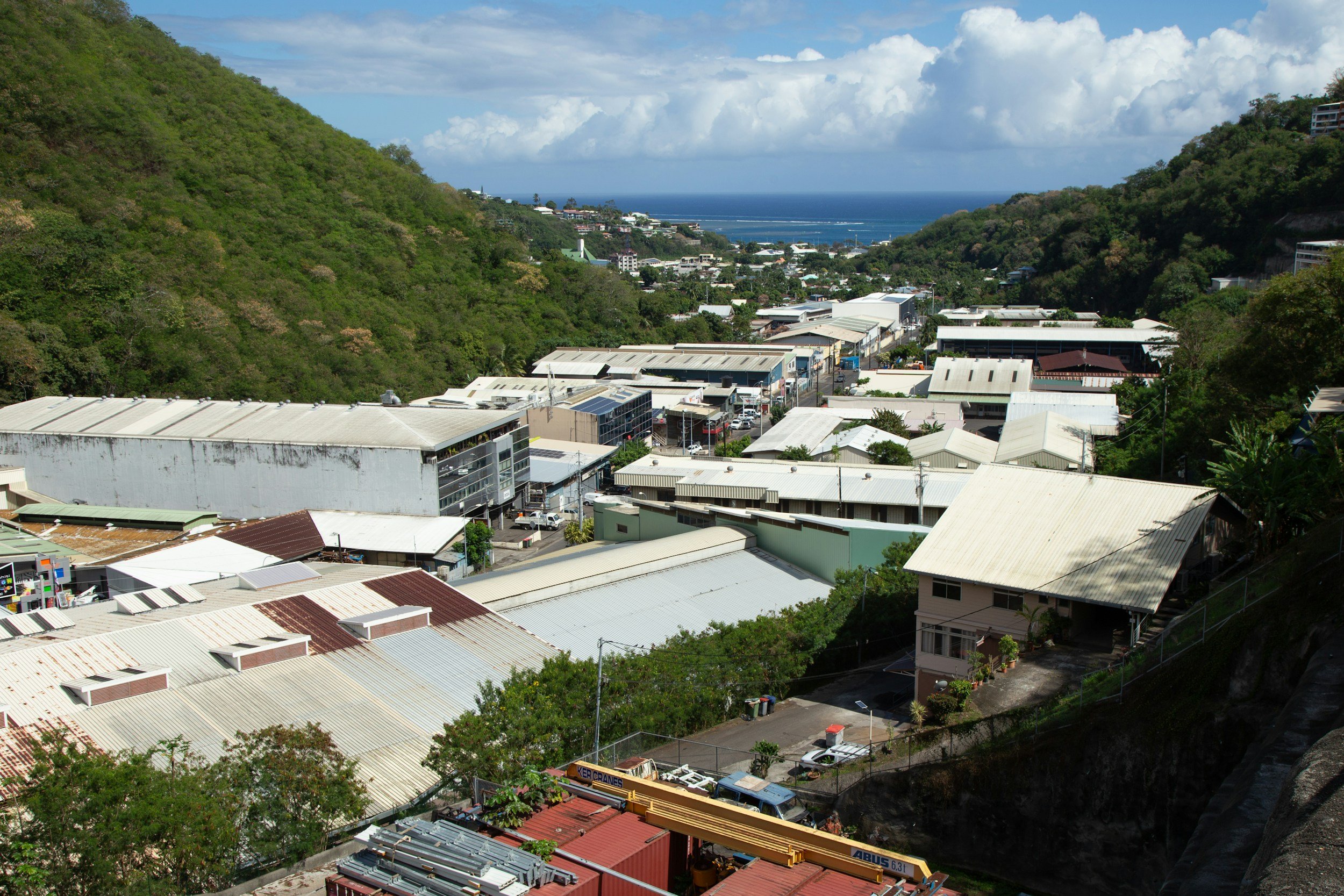
Oahu’s industrial real estate market has entered 2026 with a mix of resilience and caution. After years of rapid rent growth and near-zero vacancy, the sector is now finding a steadier rhythm — though challenges from rising costs and global energy volatility loom large.

Vacancy and absorption
The first quarter saw vacancy tick up to 1.40%, following two consecutive quarters of modest negative absorption. Roughly 24,000 square feet of space returned to the market, but availability remains far below historical averages. This shift reflects tenants consolidating or right-sizing operations rather than distress-driven exits, signaling a normalization rather than a downturn.
Rental Rates and expenses
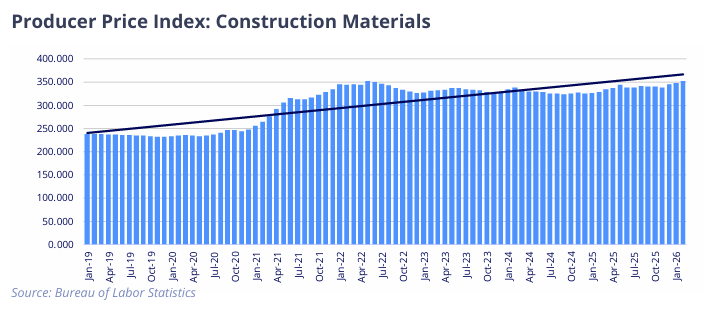
Average asking rents held steady at $1.60 per square foot per month, still near record highs. New projects slated for delivery later this year are being marketed at higher rates—between $1.70 and $1.90—a direct reflection of elevated construction and land costs. Operating expenses have surged more than 50% in four years, now averaging $0.62 per square foot per month. Rising wages, utilities, insurance, and property taxes are reshaping lease negotiations, with tenants demanding greater clarity around expense structures.
Construction pipeline
Despite strong demand, new development remains limited. About 400,000 square feet is scheduled for delivery through late 2026 and early 2027, concentrated in Kapolei and James Campbell Industrial Park. High land costs, zoning restrictions, and scarce parcels continue to constrain supply, ensuring that overbuilding is unlikely.
Employment and demand drivers
Industrial employment grew by approximately 1,000 jobs in 2025, underscoring the resilience of logistics, warehousing, and wholesale trade. Proximity to ports and airports remains a critical advantage for operators, reinforcing the importance of Honolulu and West Oahu submarkets. Retail and wholesale activity also provided a boost, with higher-income households sustaining premium spending while middle-income consumers shifted toward value-driven channels.
External pressures
Global energy volatility has emerged as a new risk factor. Rising oil prices, driven by geopolitical tensions, pose significant challenges for Hawai’i’s oil-dependent economy. Higher fuel costs ripple through transportation, shipping, construction, and electricity, placing pressure on tenant margins and development budgets.
Outlook
Looking ahead, Oahu’s industrial market is expected to remain tight, with vacancy hovering between 1.5% and 2.0% throughout 2026. Rent growth may flatten compared to the post-pandemic surge, but high replacement costs and limited alternatives will continue to support pricing. Adjustments are more likely to appear as slower leasing velocity rather than sharp declines.
Download the full Q1 2026 Colliers Hawai’i Oahu Industrial Market Report here.
