
Every quarter, market reports are filled with statistics: vacancy rates, rental rates, absorption, construction activity, employment and development trends.
Those numbers matter—but what matters even more is understanding what they mean for your property.
The second quarter 2026 Oahu Industrial Market Report points to a market that remains exceptionally healthy, even as it begins to normalize after several years of extraordinary demand. For owners and investors, the fundamentals continue to favor well-positioned industrial assets, but success will increasingly depend on strategy rather than simply benefiting from a supply-constrained market.
Here are five of the biggest takeaways.
1. The market is cooling—but it’s still exceptionally strong.
At first glance, some of the headline numbers might sound concerning.
Vacancy ticked up slightly to 1.43%, and net absorption was modestly negative for the third consecutive quarter. But context matters.
After years of historically low vacancy and intense competition for space, this isn’t a market in decline—it’s a market returning to a more sustainable pace. Vacancy remains among the lowest in the country, and there is still very little quality industrial space available.
For landlords, that’s an important distinction. Leasing may require a bit more patience than it did two years ago, but owners of well-located, functional buildings continue to have significant leverage.
The lesson: don’t mistake normalization for weakness.
2. Tenants are becoming more selective.
Tenants are taking more time before making leasing decisions.
Higher operating expenses, rising insurance costs, inflation, and uncertainty around fuel prices and supply chains have made occupancy decisions more deliberate. Instead of grabbing the first available warehouse, many tenants are comparing functionality, operating costs, and long-term efficiency more carefully.
That means features like clear height, loading capability, parking, yard space, truck circulation, and overall building condition matter more than ever.
Owners should be asking themselves:
If I were a tenant touring my property today, would it clearly stand out from competing buildings?
The market is rewarding the best-positioned assets—not simply the available ones.
3. Operating costs are becoming just as important as rental rates.
For years, conversations focused primarily on asking rents. Today, tenants are paying much closer attention to total occupancy cost.
Operating expenses have increased dramatically over the past several years, driven by insurance premiums, utilities, labor, maintenance costs, and inflation. At the same time, construction costs remain elevated, making capital improvements more expensive for owners.
That changes leasing conversations. A building that is well maintained, energy efficient, and operationally functional may justify stronger rents because it helps tenants control costs over the life of the lease.
Owners should think beyond base rent and consider the complete financial picture tenants evaluate.
4. New development isn’t solving the supply problem.
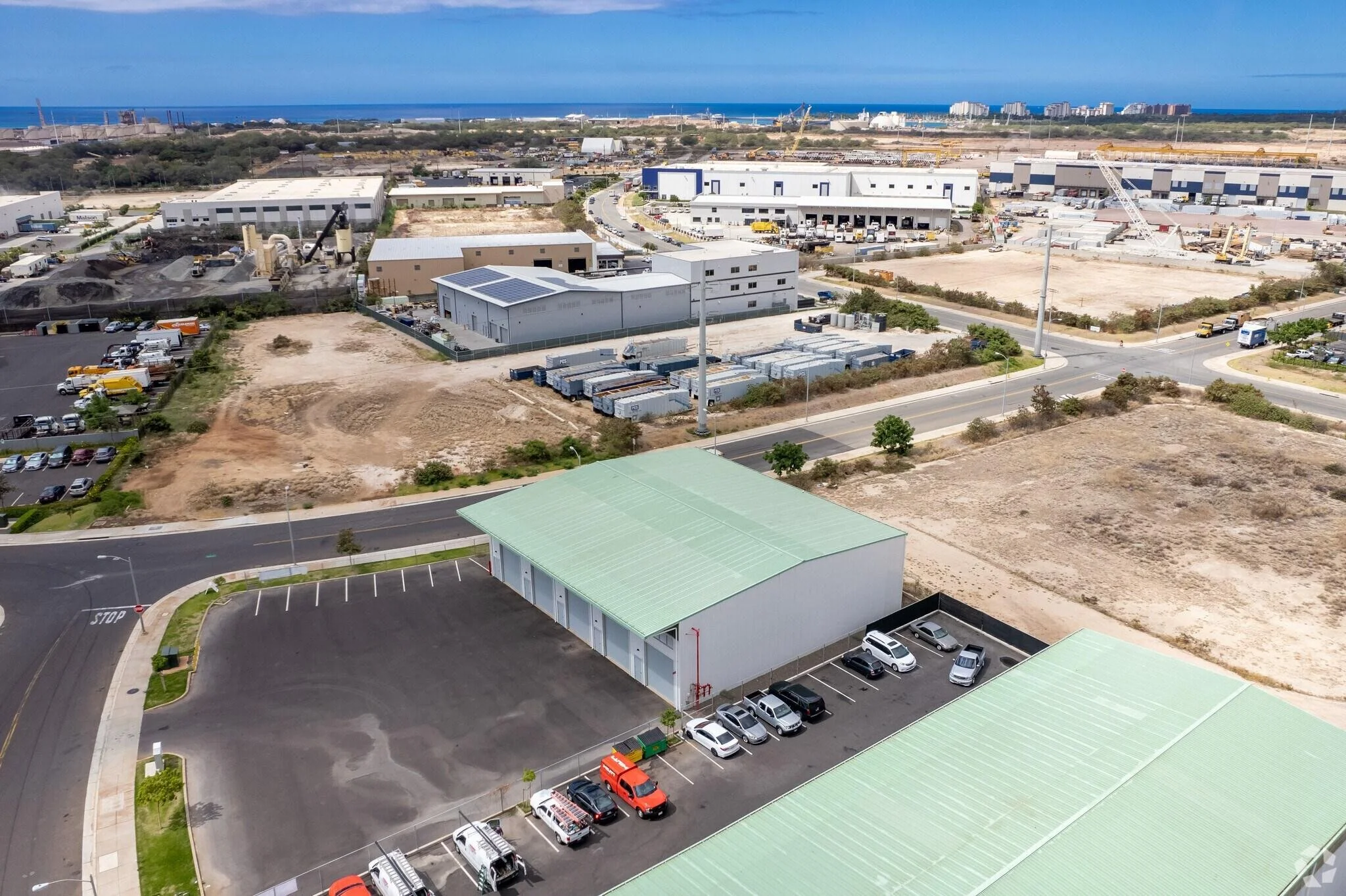
West Oahu continues to see significant industrial development, particularly around Kapolei.
Major projects are expanding inventory, and companies like Amazon and Costco continue investing in logistics infrastructure.
Yet despite these projects, Hawaii’s industrial market remains fundamentally constrained.
Limited land, entitlement challenges, infrastructure limitations, and high development costs continue to restrict new supply. Even as additional buildings come online, demand is expected to remain strong enough that vacancy should stay well below national averages.
For existing owners, that’s encouraging news.
Older assets may face more competition if they haven’t kept pace with tenant expectations, but quality industrial properties remain valuable because replacing them is increasingly difficult.
5. Strategy matters more than ever.
Perhaps the biggest takeaway from this quarter’s report isn’t a statistic. It’s that owners can no longer rely on market momentum alone.
During periods of extremely low vacancy, almost every industrial property benefited from strong demand. As the market becomes more balanced, the gap between average properties and highly competitive properties will become more apparent.
Now is the time to evaluate your property’s competitive position.
Are you highlighting your strengths?
Have deferred maintenance issues become leasing obstacles?
Are there opportunities to improve functionality, reposition the asset, or better target today’s tenants?
The owners who ask these questions proactively will be better positioned than those who simply wait for the next lease expiration.
The bottom line
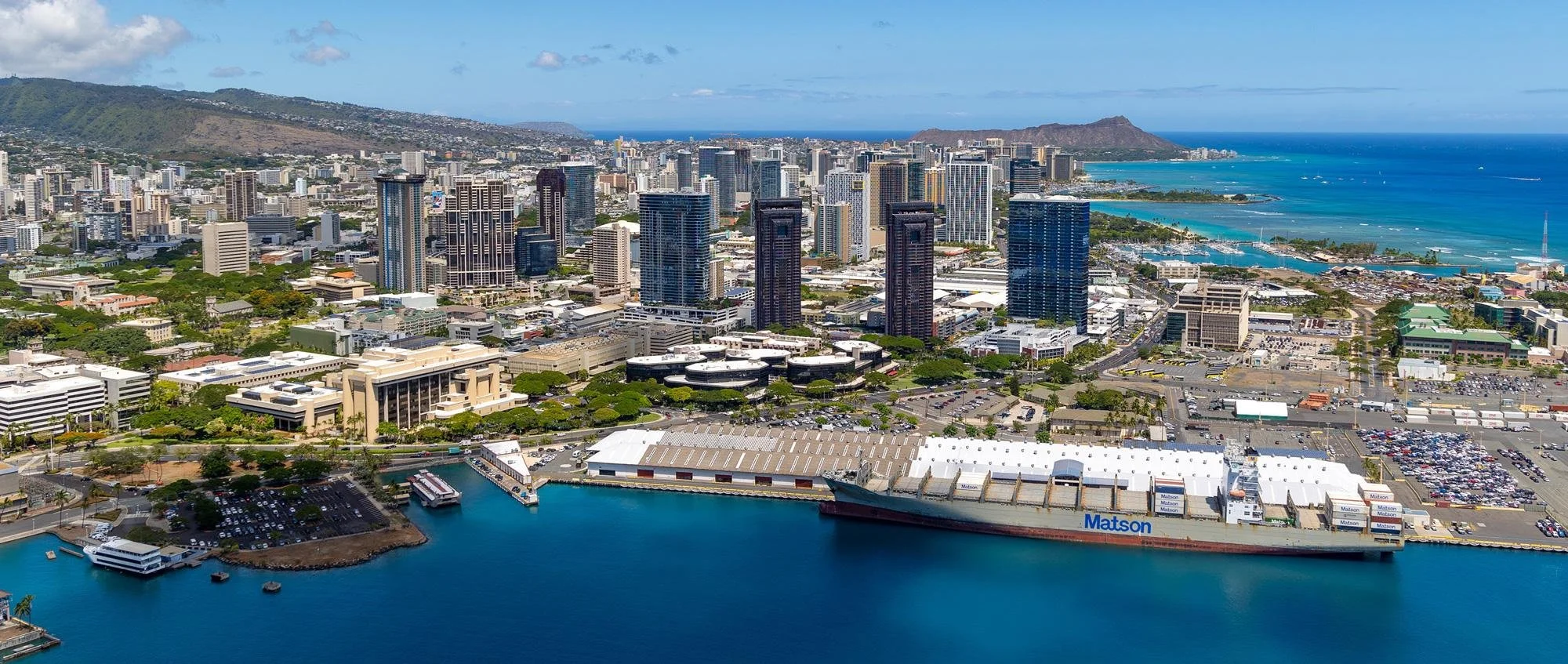
Oahu’s industrial market remains one of the strongest in the country, supported by limited supply, healthy employment, robust wholesale activity, and the ongoing importance of logistics throughout the islands.
But today’s market is also becoming more sophisticated. Success increasingly depends on understanding not just where the market is today, but how your property fits within it.
That’s why market reports should be more than quarterly reading—they should become part of your strategic planning process. Understanding the market is the first step. Acting on what it tells you is where value is created.
Interested in how your property stacks up?
A market report tells you what’s happening across Oahu. A property-specific SWOT analysis tells you how those trends affect your building.
If you’d like to better understand your property’s competitive position — and identify opportunities to strengthen leasing performance or long-term value — contact our team for a complimentary consultation.
Download the full Q2 2026 Oahu Industrial Market Report to explore the latest market data and trends, or reach out to discuss what the numbers mean for your property.
