
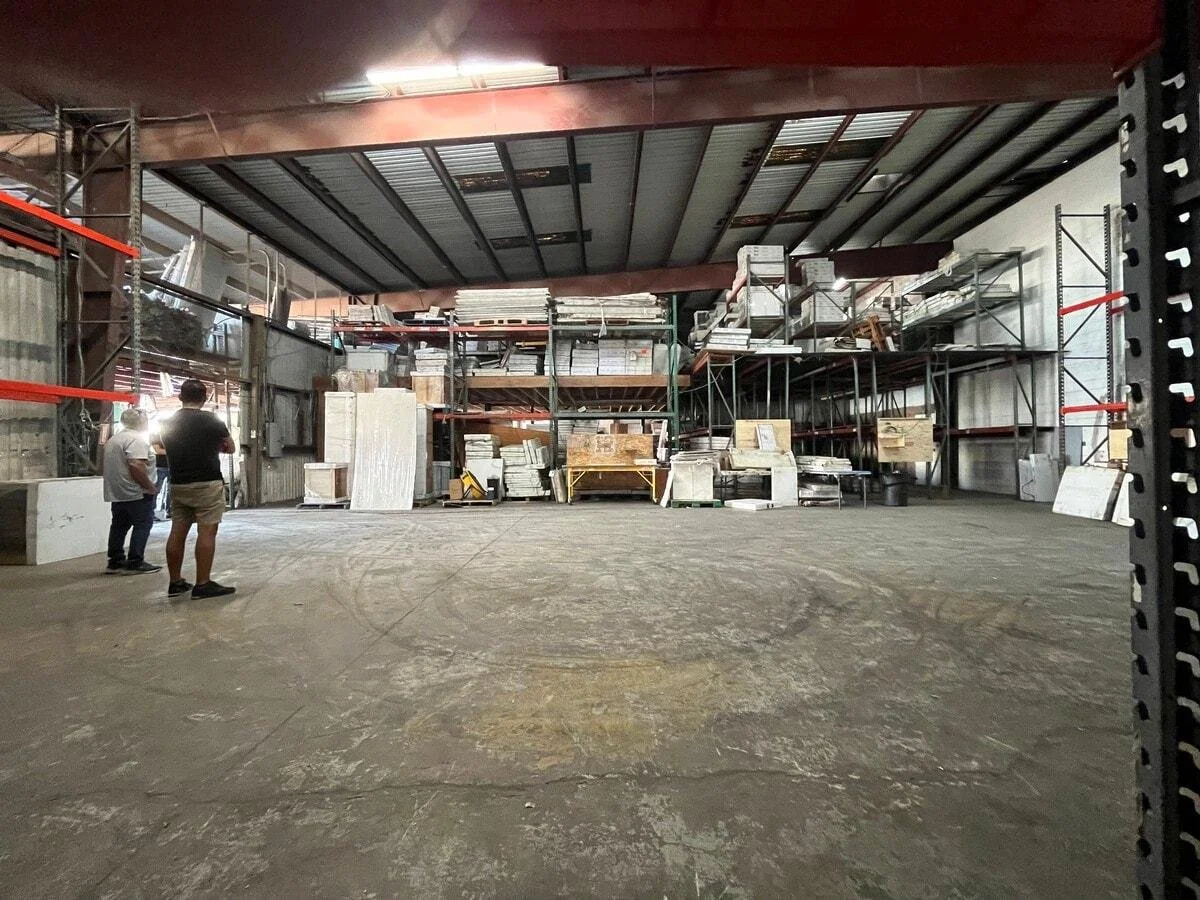
This article is the first installment in our Industrial SWOT series, which explores how Hawai‘i industrial property owners can use a SWOT analysis to evaluate their building more objectively and make better strategic decisions. We begin with the big picture: what a SWOT analysis actually looks like in commercial real estate, what questions owners should be asking, and why this process matters in a market where tenant demand, competition, and operating conditions are constantly changing.
Most owners and asset managers know their properties extremely well. They know the rent roll, the operating expenses, the maintenance history, and the capital improvements that have been completed or deferred.
But knowing a property well is not the same as evaluating it objectively. That is where a SWOT analysis can be valuable — not as an academic exercise, but as a practical framework for understanding how an asset is positioned in the market.
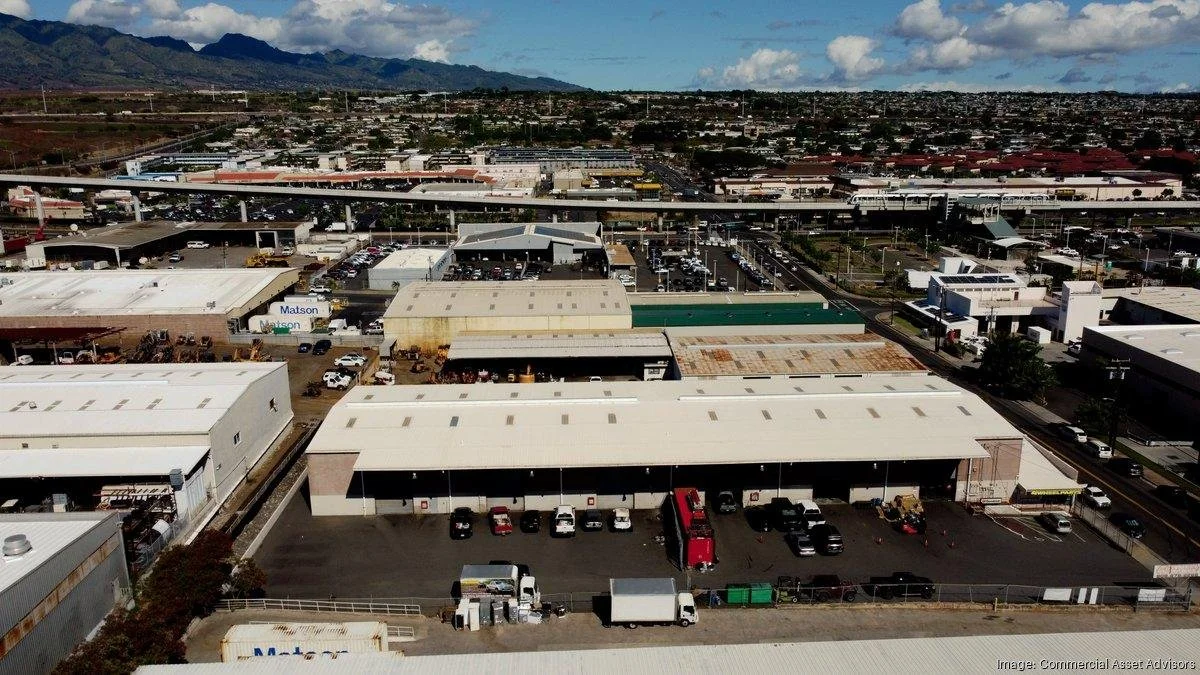
For industrial properties especially, the competitive set is constantly changing. Tenant expectations shift. Transportation costs rise. New supply enters the market. Infrastructure projects alter traffic flow. A neighboring use can change the perception of a property. A competing building can suddenly become more attractive because it offers better access, more parking, higher clear heights, or more functional loading.
Alika Cosner, Senior Vice President with Colliers International’s Investment & Industrial Services Division, says owners and brokers should use SWOT analysis more often. “I don’t think landlords or their brokers do them enough,” Cosner said. “Most landlord reps prepare a budget and assumptions season at the end of the year, and that’s usually when they consider the SWOT — if at all. But I don’t think it should be only an annual thing. The market and your competitors are changing constantly.”
For Cosner, a SWOT exercise (pinpointing Strengths, Weaknesses, Opportunities and Threats) should be part of an ongoing asset strategy. At a minimum, owners should review this quarterly — especially before major leasing decisions, lease rollover events, refinancing, capital planning, or disposition discussions.
The goal is not to create a binder that sits on a shelf. The goal is to ask better questions:
What has changed?
Who is in the market? Who is no longer in the market?
What are competitors doing? What new competition exists?
What external factors — tariffs, fuel costs, labor pressure, insurance, construction pricing, war, tourism volatility, regulation — could affect tenant demand or operating costs?
Most owners think about occupancy and rent. Sophisticated owners think about competitive positioning. A strong SWOT analysis helps close that gap.

10 questions to ask in a property SWOT review
A good SWOT analysis starts with the right questions. Use the list below as a quarterly prompt to evaluate how your industrial property is positioned — not just internally, but against current market conditions, competing buildings, and changing tenant demand.
What has changed at my property since the last quarter — physically, operationally, financially, or competitively?
What has changed in the market or submarket that could affect tenant demand, rental rates, leasing velocity, or property value?
Who is actively in the market right now — and what types of tenants are expanding, contracting, relocating, or going dark?
Which competing properties are winning deals, and why? What do they offer that my property does not?
Am I comparing my property to the right competitive set — or only to the closest buildings or highest recent comps?
What assumptions about rent, demand, tenant needs, or operating costs may no longer be true?
What external factors could affect my property over the next 6–12 months — including fuel costs, insurance, labor availability, construction pricing, tariffs, tourism, or regulation?
If I were a prospective tenant touring this property today, what would feel compelling — and what would feel like a drawback?
What are the top three things helping this asset compete right now, and the top three things holding it back?
What decisions are coming up — lease rollover, capital planning, refinancing, disposition, or repositioning — that make this SWOT especially important right now?
This article is the starting point for our Industrial SWOT series. From here, we’ll break down each part of the framework in more detail — including how to identify your property’s true strengths, uncover hidden weaknesses, spot opportunities to create value, evaluate external threats, and turn the analysis into a real action plan.
Continue the series:
If you’d like help applying this framework to your own property, contact our team for a complimentary SWOT consultation or request the full downloadable guide.
