

This article is part of our Industrial SWOT series, a practical look at how Hawai‘i industrial owners can use SWOT analysis to sharpen decision-making and improve property performance. In this installment, we focus on opportunities — the leasing, physical, operational, and market-driven openings that can help an owner unlock more income, improve competitiveness, or reposition an asset for stronger long-term value.
The opportunity section of a SWOT analysis is where owners can move from observation to actionable strategy.
In industrial real estate, opportunities often come from seeing what the property could become — not just what it is today.
Repositioning older assets is one path. A property may need better marketing, improved signage, a cleaner tenant mix, refreshed office areas, stronger visibility, or targeted capital improvements to better match current demand. In some cases, the building may be fundamentally sound but poorly positioned.
Subdividing or combining spaces can also create value.
Cosner sees both strategies in the market. If a 40,000-square-foot vacancy is not gaining traction, a landlord may divide it into two 20,000-square-foot spaces to reach a wider tenant pool. On the other hand, smaller spaces may become more marketable when combined.
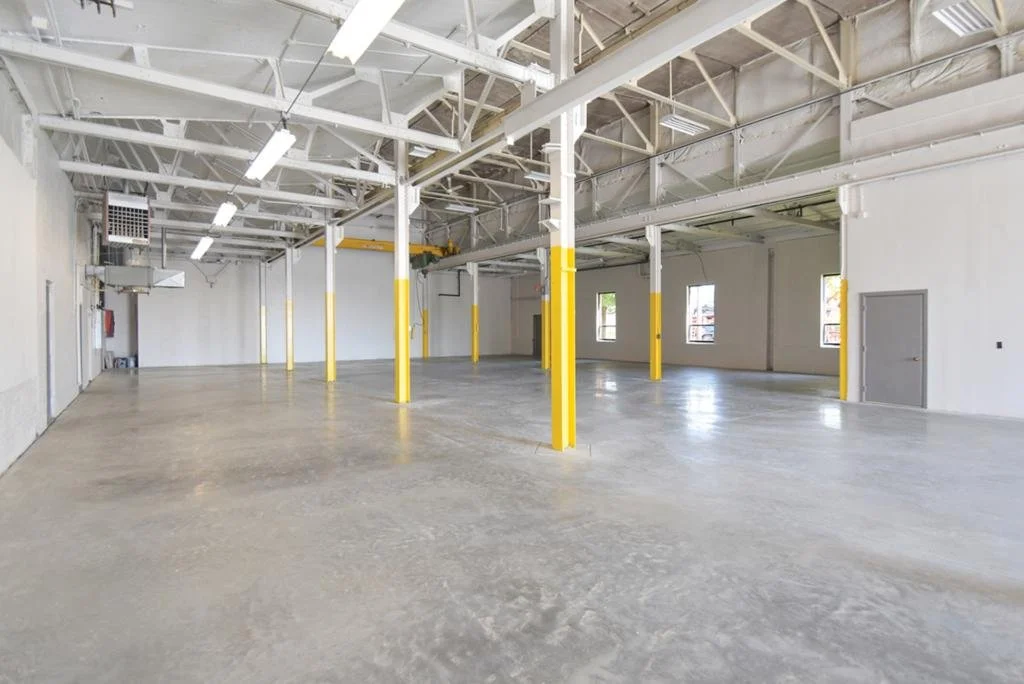
“You might have two 2,000-square-foot bays, and one is just a little funky and never leases well,” Cosner said. “Combining it with the neighboring space can make accessibility better or make the office work better. It improves marketability and opens it up to as wide of an audience as possible.”
That principle is important: the opportunity is not always “bigger” or “smaller.” It is making the space more useful to the market.
Outdoor storage remains a major opportunity in many industrial settings. With construction activity strong, many contractors and industrial users need yard space for equipment, materials, containers, and vehicles. Properties that can accommodate secure outdoor storage may have a meaningful advantage.
Owners should also evaluate excess land. In a low-vacancy market, unused or underutilized land may represent missed income.
Cosner pointed to a property in Lihue where the owner has a warehouse but also significant excess land around it. “It’s over-parked,” he said. “We don’t make much money on parking or yard rent. With vacancy in Lihue under 1%, it’s a pretty good time to consider putting more industrial footprint on the property.”
He noted that 50% lot coverage is often a typical industrial ratio. If a property is only at 30%, the owner may have an opportunity to add building area and capture additional rental income.
Market trends are also creating opportunities. Kapolei continues to be a major driver, with new development and owner-users building facilities. Some buyers have overbuilt relative to their own needs and are leasing excess space. That creates new options and can shift tenant expectations.
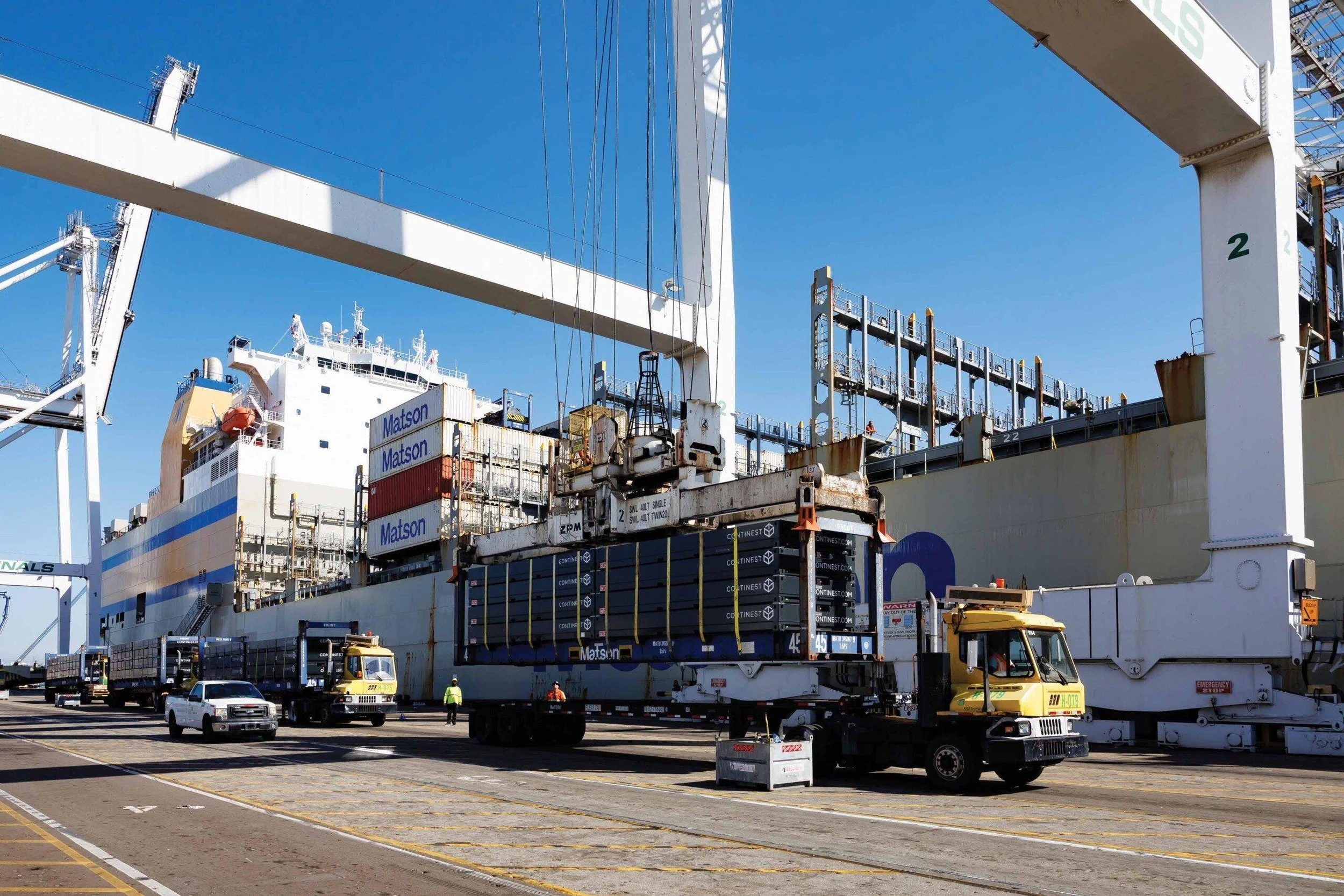
Container-driven logistics are another trend. Tenants that need larger deliveries, multiple loading docks, more yard space, larger turnaround areas, and container storage may migrate toward properties with these capabilities. “I think that has caused part of the migration out west toward Kapolei,” Cosner said. “There’s a flight to facilities that can handle those types of operations.”
The opportunity for landlords is to identify where their property can compete — or where it needs to change in order to compete. That may mean improving access, rethinking yard areas, upgrading loading, targeting a different tenant profile, or changing the marketing strategy to reflect current demand.
Opportunity analysis should be grounded in the market, not wishful thinking. The best ideas come from a broker who understands what tenants are actively seeking, what competitors are offering, and what demand is forming before it becomes obvious.
10 questions to spot value-creation opportunities
Opportunity is where a SWOT becomes strategic. These questions help owners think beyond current occupancy and ask how the property could be repositioned, improved, expanded, or marketed differently to capture more value.
What changes could make this property materially more attractive to the tenant market we want to capture?
Would the property perform better if certain spaces were subdivided, combined, or reconfigured to improve usability?
Are there “problem spaces” — awkward bays, over-office configurations, poor access areas — that could be made more marketable with relatively modest changes?
Does the property have excess land, over-parked areas, or underutilized yard space that could be converted into more productive income-generating use?
Would targeted capital improvements — loading upgrades, signage, office refresh, pavement work, lighting, or yard improvements — support higher rents or faster leasing?
Could the property support outdoor storage, contractor yard use, container storage, or another use that is currently in demand?
Are there market shifts — such as Kapolei growth, low vacancy, owner-user activity, or container-driven logistics demand — creating new opportunity for this asset?
Would the property benefit from being repositioned toward a different tenant profile than the one we’ve historically targeted?
If a competing property is winning deals, what are they doing that we could replicate, improve, or counter strategically?
What is the highest-value move we could make in the next 12 months to improve leasing performance, rent potential, or long-term asset value?
Opportunity is where SWOT analysis shifts from observation to action. Once owners understand what the property does well, where it is vulnerable, and what is changing in the market, they can start identifying the moves that create measurable value.
Read the full Industrial SWOT series:
If you’d like help identifying opportunities for your property — from repositioning and leasing strategy to expansion potential and marketing improvements — contact us for a complimentary SWOT consultation or request the full SWOT guide.
