
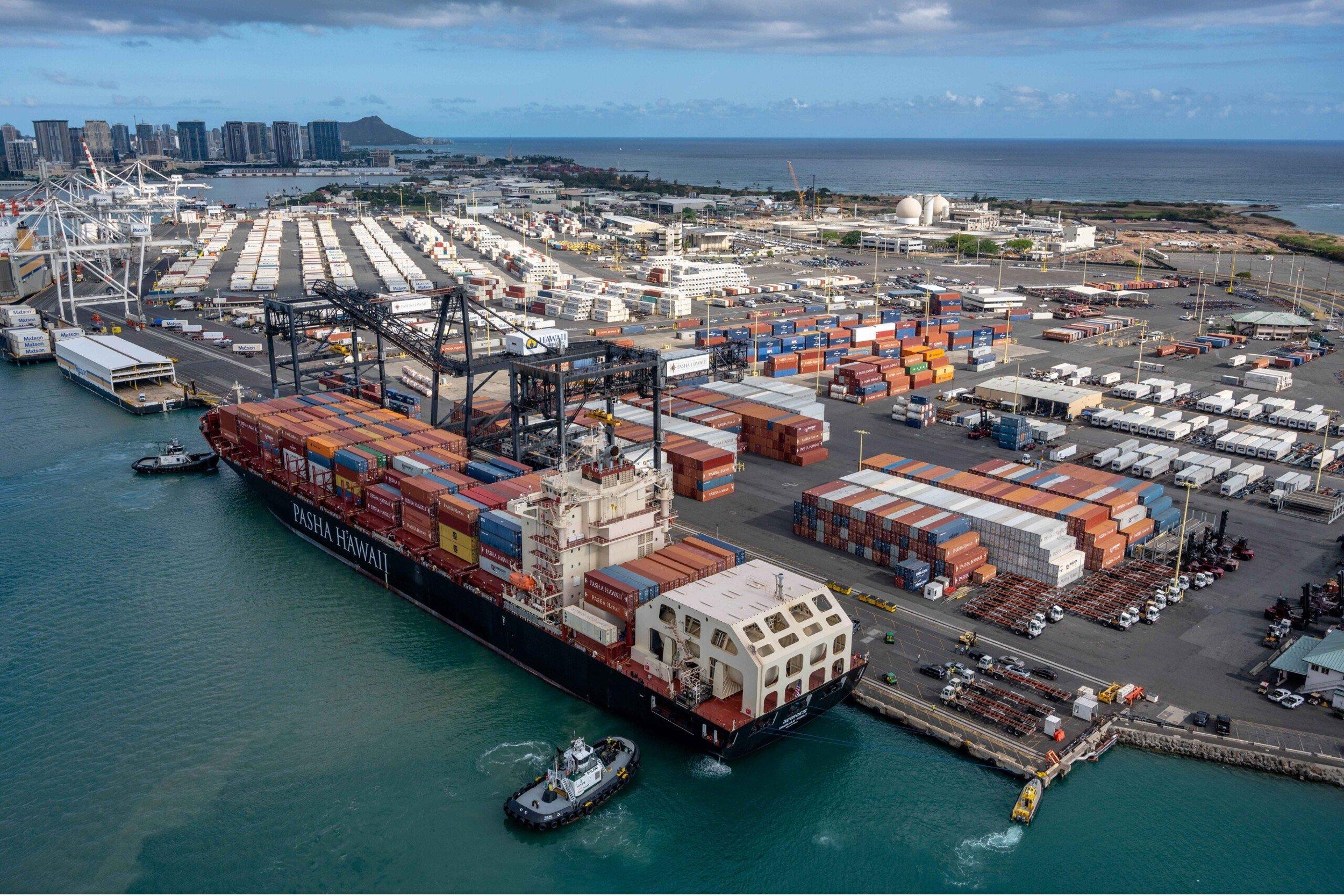
This article is part of our Industrial SWOT series, which explores how Hawai‘i industrial owners can use a SWOT framework to evaluate their assets more strategically. In this installment, we examine threats — the external risks that can affect leasing velocity, tenant demand, operating costs, capital planning, or long-term competitiveness, even when the property itself is well maintained and well managed.
Threats are the external factors that can affect a property even when the owner is doing everything right.
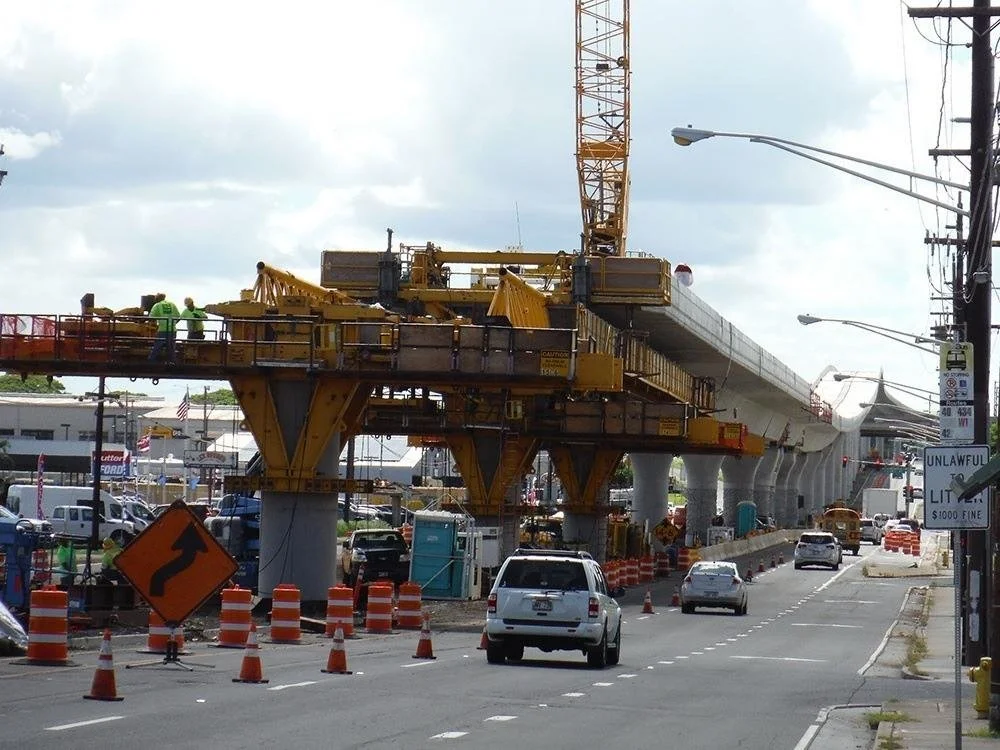
In Hawai’i industrial real estate, those risks can be broad: insurance costs, interest rates, fuel costs, construction pricing, tourism volatility, war, tariffs, regulation, new supply, infrastructure projects, zoning changes, tenant consolidation, and operating expense increases.
Some of these risks affect owners directly. Others affect tenants first and then show up in leasing decisions, renewals, expansion plans, or credit risk.
Insurance is one example. Rising premiums can increase occupancy costs and make a property less competitive. Interest rates can affect refinancing, buyer demand, cap rates, and an owner’s willingness to invest in improvements. Construction costs — both materials and labor — can make even straightforward improvements more expensive and harder to justify.
Fuel costs are especially important in Hawai’i because they hit the industrial market in multiple ways.
“I think what people don’t recognize is that in the industrial industry, a lot of the products we deal with are derivatives of fuel,” Cosner said. “Most people think, oh, it’s just transportation cost. No — it’s plastics, metals, PVC, all that stuff that is derived from some type of fuel molecule.”
That means fuel volatility can affect shipping, trucking, construction materials, tenant operating costs, and the price of goods moving through warehouses.
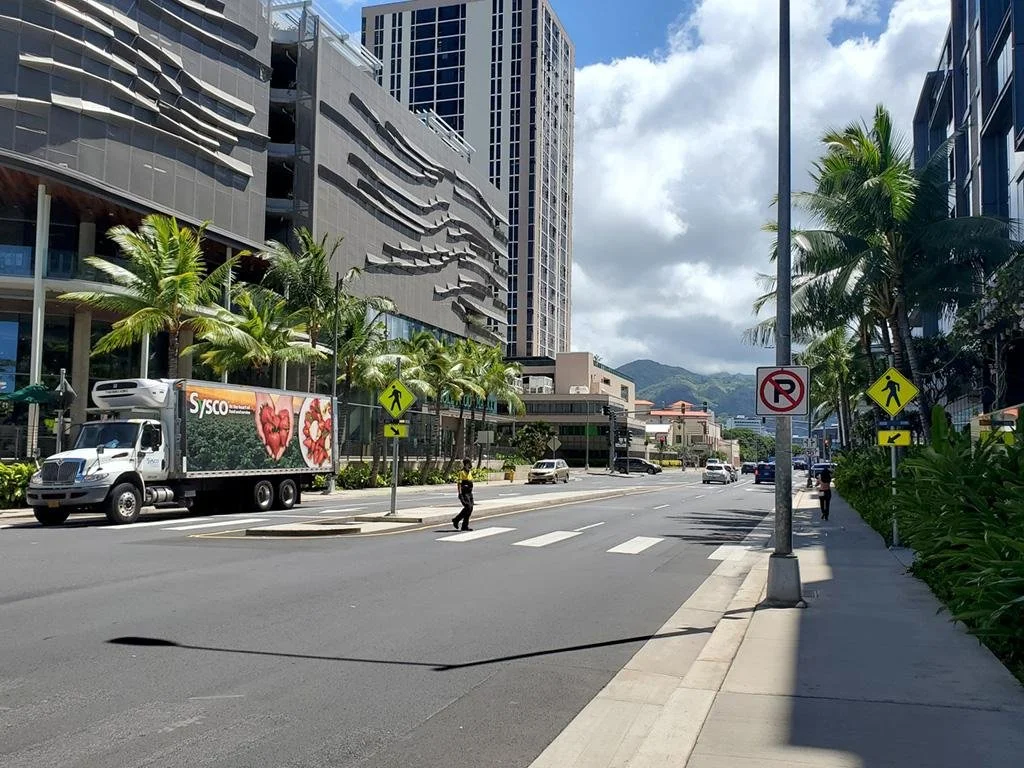
Tourism volatility also matters. Hawaii’s economy is deeply tied to visitor demand. When tourism softens, restaurants, hotels, retailers, transportation providers, and suppliers may all adjust. That can affect produce distributors, logistics users, transportation companies, and other industrial tenants tied to hospitality demand.
War and geopolitical instability add another layer. They can affect oil prices, shipping costs, supply chains, investor confidence, and broader economic planning.
Infrastructure changes can create more localized threats. Rail construction, roadwork, zoning changes, and neighboring development can change traffic patterns, access, visibility, and tenant perception. A property that was once easy to access may become frustrating. A neighboring use may create odors, noise, congestion, or security concerns. Newer competing products may offer better functionality and gradually pull demand away.
One of the most important threats is the gradual loss of competitiveness.
Properties rarely become obsolete overnight. More often, they fall behind slowly. A landlord delays maintenance. A competitor improves their property. Tenant expectations shift toward better parking, higher clear heights, more yard, or better loading. A nearby infrastructure project changes access. A new building attracts the tenants who might once have considered the older property.
By the time the owner notices, the market may already have moved.
A quarterly SWOT review helps prevent missing the early warning signs. It forces the owner and broker to ask: What has changed since last quarter? What threats are forming? What assumptions no longer hold? Where are we still competitive, and where are we starting to lag?
The threat section should not be alarmist. It should be practical. The point is not to predict every risk perfectly, but to identify the ones that could affect leasing velocity, tenant retention, operating costs, capital planning, or long-term value.
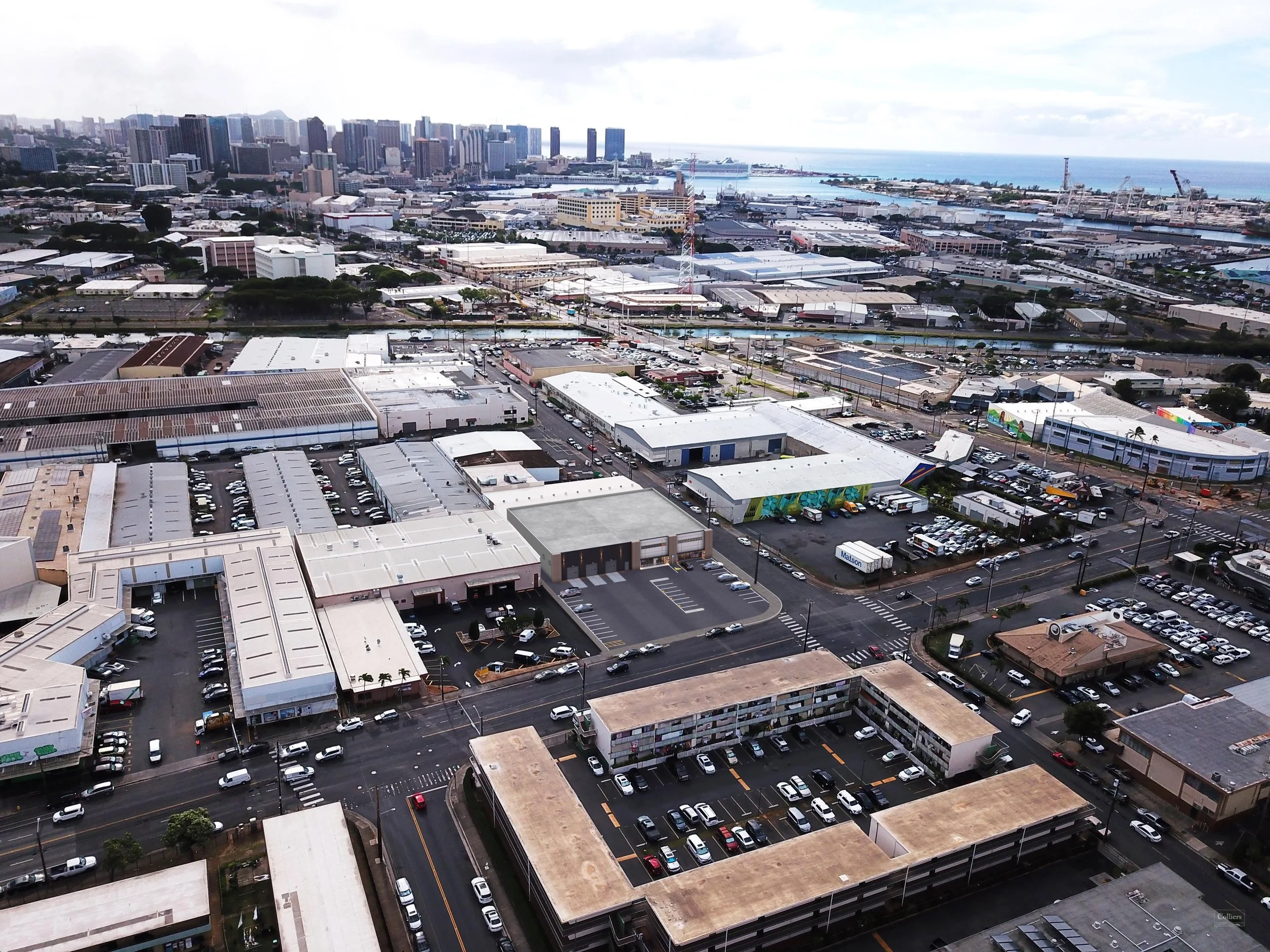
10 questions to pressure-test external risk
Threats are the forces outside the owner’s control that can still affect tenant demand, occupancy cost, asset value, or long-term competitiveness. The point is not to predict every risk perfectly — it is to identify the ones most likely to matter to your property.
What external cost pressures could affect this property or its tenants over the next 12 months — insurance, fuel, labor, taxes, utilities, or construction pricing?
How exposed are this property and its tenants to fuel volatility, shipping costs, or supply-chain disruptions?
How much of the tenant base depends on tourism, construction, imported goods, or other sectors vulnerable to broader economic swings in Hawai‘i?
Are there infrastructure projects, roadwork, rail construction, zoning changes, or neighboring developments that could change access, visibility, or tenant perception?
Is new supply entering the market that offers better clear height, loading, yard space, parking, or functionality than this property?
Have tenant expectations shifted in ways that could make the property gradually less competitive — even if it is still performing today?
Are rising interest rates, insurance costs, or capex costs likely to affect our ability to refinance, invest in improvements, or remain competitive on occupancy cost?
Could changes in regulation, environmental requirements, flood exposure, or insurance underwriting materially affect the property’s economics?
What early warning signs would tell us the property is beginning to lose competitiveness before occupancy actually drops?
If market conditions soften, which tenants at this property would be most vulnerable — and how would that affect rollover risk, collections, or leasing strategy?
Threats are not always dramatic. Often, they show up gradually: rising insurance costs, changing tenant expectations, new competition, infrastructure disruptions, or operating expenses that chip away at a property’s position in the market. That’s why threat analysis works best when it’s part of a broader, recurring SWOT process.
Continue exploring our Industrial SWOT series:
If you’d like help identifying the external risks affecting your property — and how to respond before they become bigger problems — contact us for a complimentary SWOT consultation or request the full downloadable guide.
