
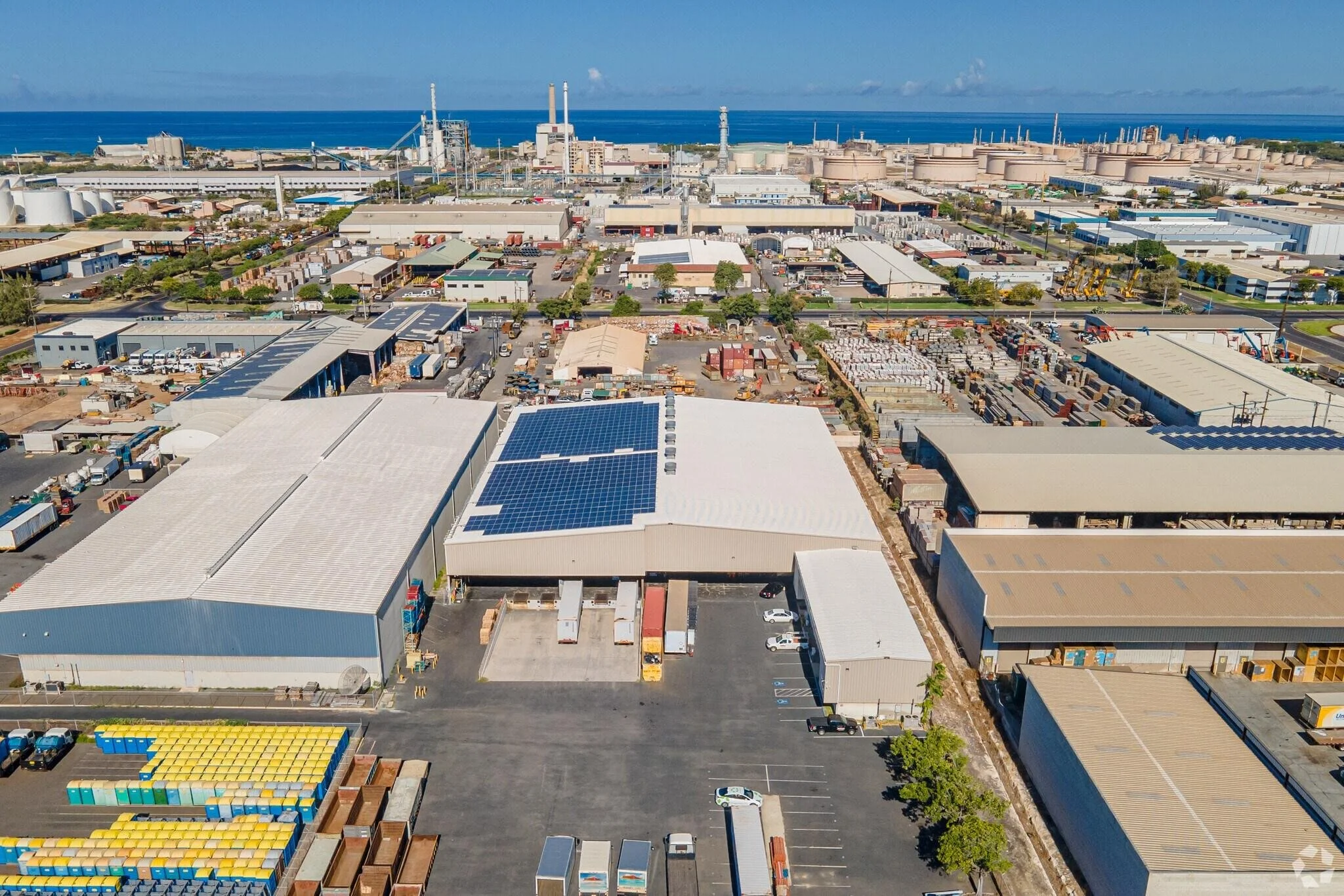
This article is part of our Industrial SWOT series, a practical framework for helping Hawai‘i industrial owners evaluate their properties through the lens of strengths, weaknesses, opportunities, and threats. In this installment, we focus on strengths: the features, capabilities, and competitive advantages that may make a property more valuable to tenants than the market — or even the owner — fully recognizes.
A property's strength is not simply “good location” or “strong occupancy.” A true strength is a feature that gives the property an advantage relative to tenant demand and competing options.
In Hawai’i industrial real estate, some of those strengths are obvious: truck access, parking, yard area, loading docks, clear height, visibility, signage, power, zoning, and proximity to key transportation routes. But others are more subtle — and owners sometimes undervalue them because they are too familiar with their own asset.
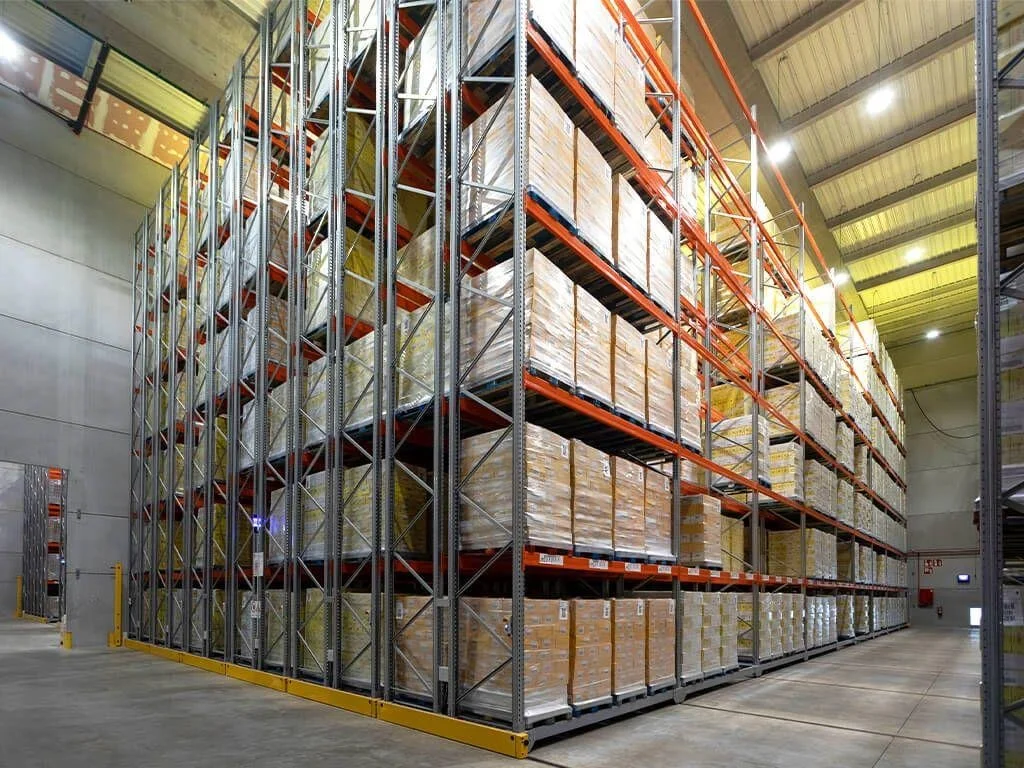
For example: “Cube space is a big thing now,” Cosner said. “You’ve got some warehouse spaces that are 20-foot clear height and newer buildings that are now 40-foot clear height. I think landlords undervalue that sometimes, or they don’t show the metrics behind it.”
That extra vertical space can materially change how a tenant uses the building. It can increase pallet positions, improve storage efficiency, and allow a tenant to handle more volume within the same footprint. (After all, square footage is two-dimensional, but clear height offers three-dimensional expansion potential.) If the landlord is only comparing square footage and base rent, the value of that functional advantage may not be fully captured.
Recent improvements are another strength owners may not market clearly enough.
In an environment where operating expenses continue to rise, tenants care about whether a building has been proactively maintained. A roof, electrical system, pavement, HVAC system, or other major component that has been repaired or replaced can be a meaningful advantage.
“Tenants want to know they’re going into a property that’s well maintained and has been kept up over the years,” Cosner said. “They don’t want to face some huge capital improvement bill from maintenance that’s been put off for 10 years.”
That matters because many costs eventually flow through to tenants. A property that has been maintained consistently may create more confidence than one with a lower starting rent but greater exposure to future operating expense increases.
Some strengths also matter more today than they did five years ago. Trailer storage, container handling, dock loading, larger turnaround areas, and the ability to accommodate 40-foot containers have become more important as transportation costs and delivery volumes have changed.
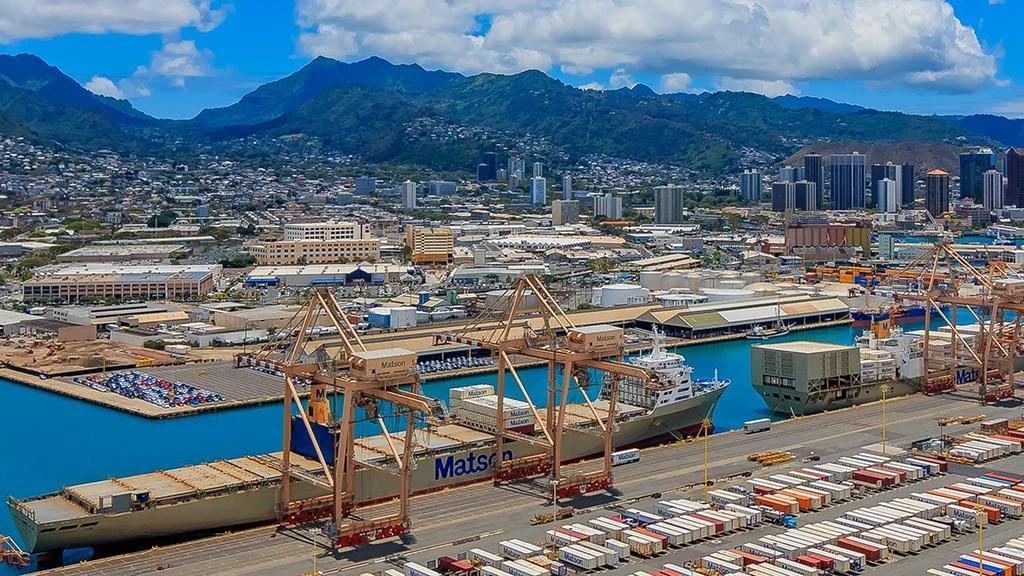
“Anything around 40-foot containers — trailer storage, loading docks — that matters more now,” Cosner said. “The cost of transportation is so high. Tenants are bringing in bigger volumes, and that calls for more containers.”
Employee access is another increasingly important factor. Industrial employers are dealing with a competitive labor market, and location can affect retention. If a property is hard to get to, lacks parking, or creates a difficult daily commute, it may be less attractive to tenants who are already trying to hire and retain reliable workers.
“I’m hearing from a lot of clients that employees are increasingly willing to change jobs,” Cosner said. “The easier you make it for them to come to work, the better you retain your employees.”
Experienced brokers can also help owners recognize strengths that may not show up clearly in a comp evaluation. They understand historical performance, future infrastructure changes, tenant movement, and what is happening in the surrounding area.
In Cosner’s words, more experienced brokers provide “better insights to the future” — not just where the property sits today, but what could affect it next.
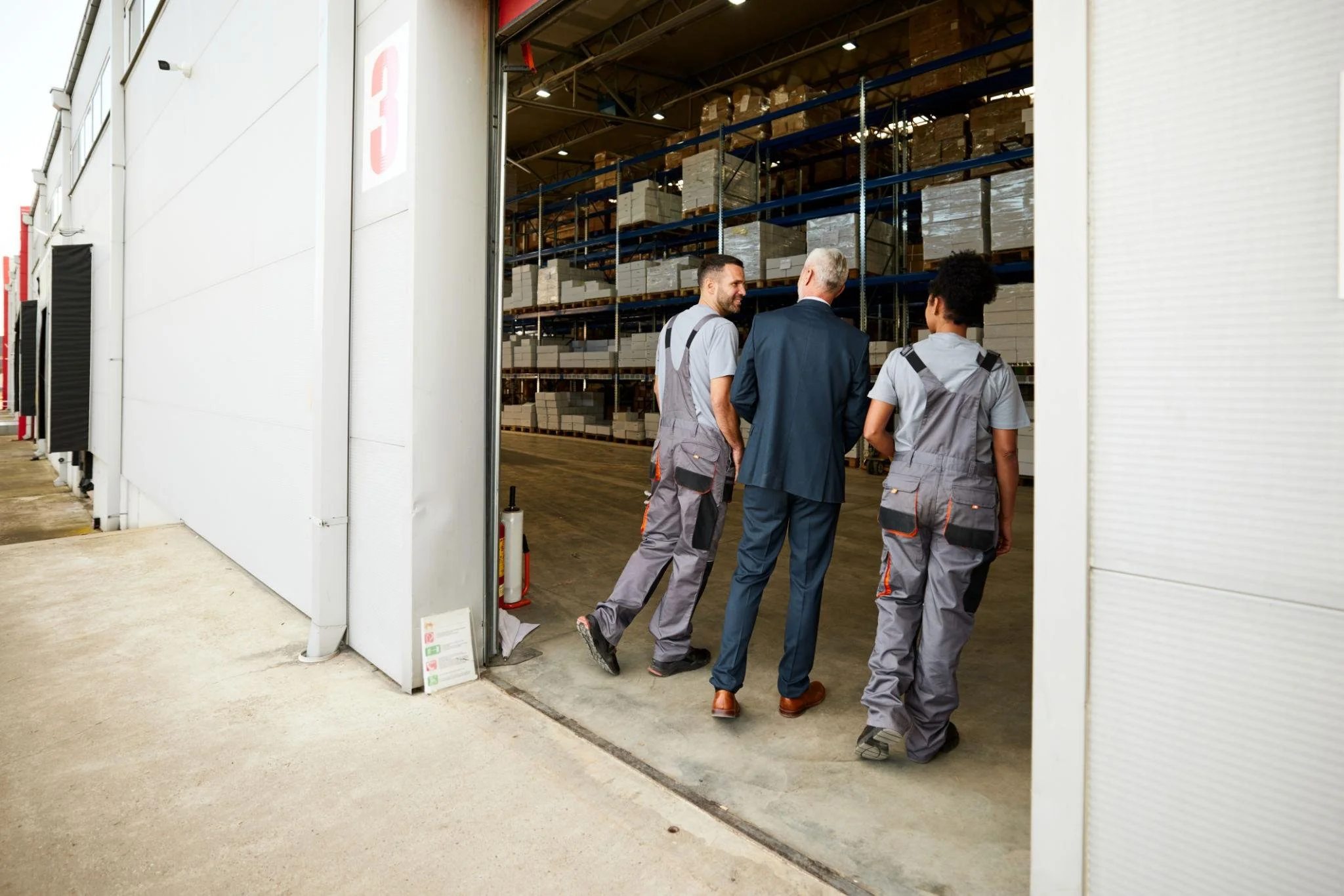
10 questions to identify your property’s true strengths
Not every strength shows up in a rent comp. Some of the most valuable competitive advantages are operational, physical, or locational features that matter deeply to the right tenant — if they are recognized and marketed correctly.
What features of this property genuinely improve tenant operations compared with competing buildings?
Does the building offer clear-height, cube space, loading, yard area, or truck circulation advantages that are not being fully emphasized?
How well can the property handle containers, trailer storage, deliveries, or fleet movement compared with nearby alternatives?
What recent capital improvements or maintenance investments would matter to a tenant concerned about future operating expenses?
Does the property offer stronger employee access, parking, commute convenience, or labor accessibility than competing assets?
Are there zoning, power, visibility, signage, or access advantages that create flexibility for certain tenant types?
Which property strengths matter more today than they did five years ago — and are we actively marketing those features?
Are there strengths that an experienced broker sees immediately, but an owner might overlook because the feature feels “normal” for the property?
Can we quantify our strengths in a more persuasive way — for example, pallet positions, turnaround capacity, parking counts, or yard utility?
If a tenant chose this property over another option, what would be the most likely reason?
Strengths are only one part of the picture. To evaluate a property honestly, owners also need to understand what may be holding the asset back, where new value can be created, and what external risks could affect competitiveness over time.
Explore the rest of our Industrial SWOT series:
If you’d like an outside perspective on how your property compares to the market — and whether its strengths are being fully leveraged — contact us for a complimentary SWOT consultation or request the full SWOT download.
